
Why WordPress Security Vulnerabilities Are Costing Bristol Businesses: The Case for Next.js Migration in 2026
If you run an independent company in Bristol—whether you manage an emergency plumbing trade in Bedminster, an electrical repair team in Horfield, a local car garage in Filwood, or a small coffee shop in Clifton—your business website is your digital front door. But right now across our city, hundreds of hard-working business owners are waking up to an awful shock: their digital front door has been unlocked, broken into, and taken over. Over the past few weeks alone, automatic hacking robots and weak plugin scripts have crippled countless traditional websites across the South West. Contact forms stop sending customer messages, red warning banners appear in browser tabs, and Google drops ranking positions overnight. In this clear and practical guide, we skip all confusing computer jargon to explain why older website platforms keep breaking down, and how clean, modern Next.js systems protect your revenue and bring real peace of mind.

Looking to dominate local rankings? Explore our specialized Bristol SEO Services and Responsive Web Design in Bristol.
1. The Truth About Older Platforms: Why Traditional Websites Break Down
To understand why so many business websites get broken into, you do not need an advanced engineering degree. Think of a traditional website like an old house. When you first buy it, the front door has a single lock. But every time you want to add something new—like a photo gallery, a contact form, a customer review feed, or an SEO tool—you screw another extra lock onto the wood. Soon, you have thirty or forty separate locks made by completely different handymen whom you have never met.
That is exactly how older WordPress websites run. They depend on thirty to fifty separate plugins, an old PHP engine, and an open live database running on a web server. If just one plugin developer anywhere in the world makes a small mistake in their code, automatic robot scripts roaming the internet will find that open gap within minutes. The bot slips in without making a sound, modifies hidden tables, and puts spam links directly onto your public pages.
When this happens to a Bristol plumber, electrician, or local accountant, the real-world damage is immediate and painful. Your web hosting company abruptly switches off your site to protect their servers, Google puts a red warning label on your search listing warning people that the site is unsafe, and potential local customers who urgently need your services click on your competitors instead.
- Depending on dozens of separate plugins creates hidden doors for automatic hacking scripts
- Open databases stay constantly exposed to password guessing attacks and automated probes
- Security failures cause Google to show warning labels that immediately stop phone calls and customer enquiries
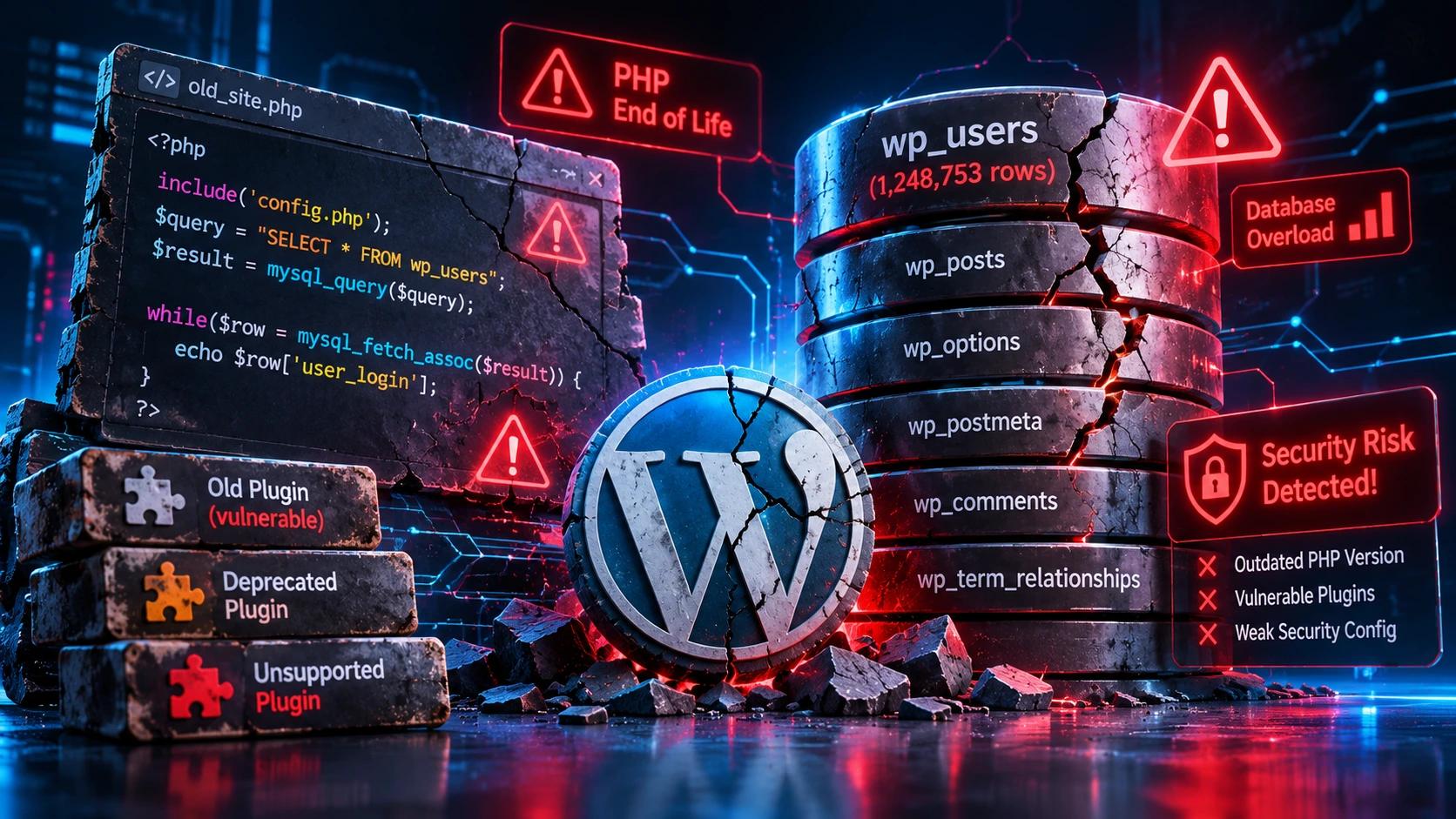
Figure 1: Common breakdown points in older website setups showing broken plugin chains and open database tables.
2. The Hidden Financial Drain: Costly Retainers, Emergency Fixes, and Endless Stress
Running a daily trade or retail business in central Bristol, BS1, BS3, or BS8 takes huge personal effort. You should be spending your days answering customer phone calls, quoting jobs, and looking after your team—not spending your evenings staring at terrifying red warning banners inside an administrative control panel.
Most local business owners find themselves trapped in an expensive cycle of maintenance costs. You pay a local agency hundreds of pounds every single month just to log in, click update buttons on plugins, and nervously cross their fingers hoping the entire screen does not turn blank. Worse still, updating one plugin frequently breaks another plugin, taking your quote form or phone number link offline during the busiest hours of the week.
At IT TEC SOLUTION, we believe your website should be an asset that works for you silently and reliably around the clock. When your core digital setup is built on clean, modern ground without fragile plugin chains, you stop throwing away hard-earned money on emergency bug repairs and can put that cash straight back into growing your trade.
- Monthly maintenance fees for updating plugins quietly take away your hard-earned profits
- Unstable plugin updates frequently break customer contact forms and tap-to-call buttons
- Emergency cleanup costs after a malicious hack often run into thousands of pounds in lost trade
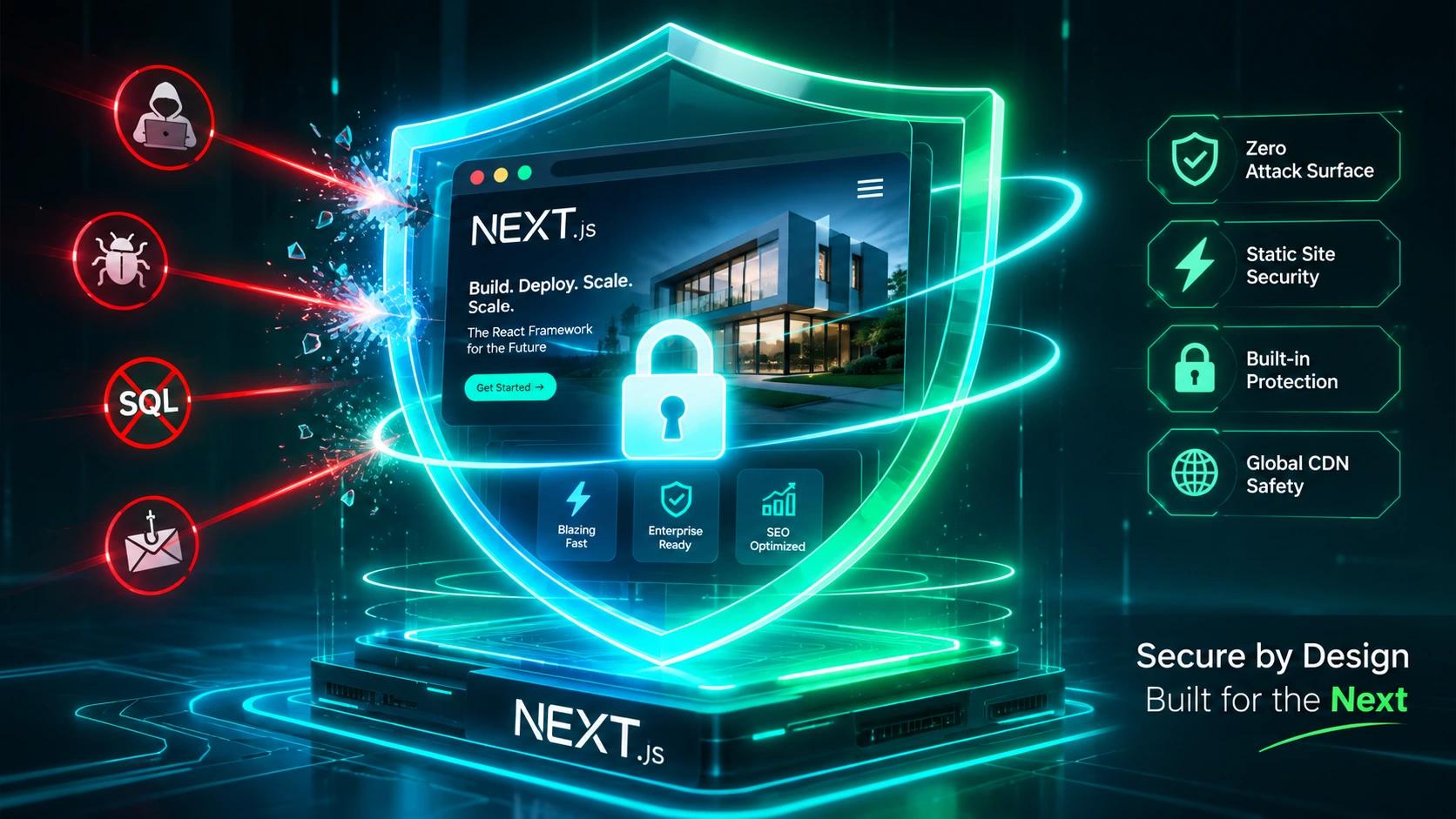
Figure 2: Clean Next.js system shields stopping malicious automated traffic and protecting customer interactions.
3. Built Like a High-Tech Vault: How Next.js Keeps Your Business Safe
So what makes Next.js so completely different from traditional setups? Instead of generating a web page on the fly through a heavy live database while a customer is waiting on their phone, Next.js builds and compiles your entire site into clean, secure static files. These files are served instantly from global edge networks like Vercel.
Because there is no open database connected to the public web page, there is literally nothing for a malicious script to attack. An attacker cannot use database tricks, cannot guess admin passwords, and cannot hijack your customer form submissions. The attack surface drops down to zero.
Along with solid security, your web pages load instantly—often in less than half a second. When an emergency customer in Bristol searches on their mobile phone while standing on the pavement, your website pops up immediately. You get complete security and lightning-fast loading speeds together in one clean setup.
- Zero open databases means automated robots have no backend systems to break into
- Pre-built clean code loads in fractions of a second on mobile networks all across Bristol
- No messy plugin bloat: all needed functions are custom built cleanly without risky third-party scripts
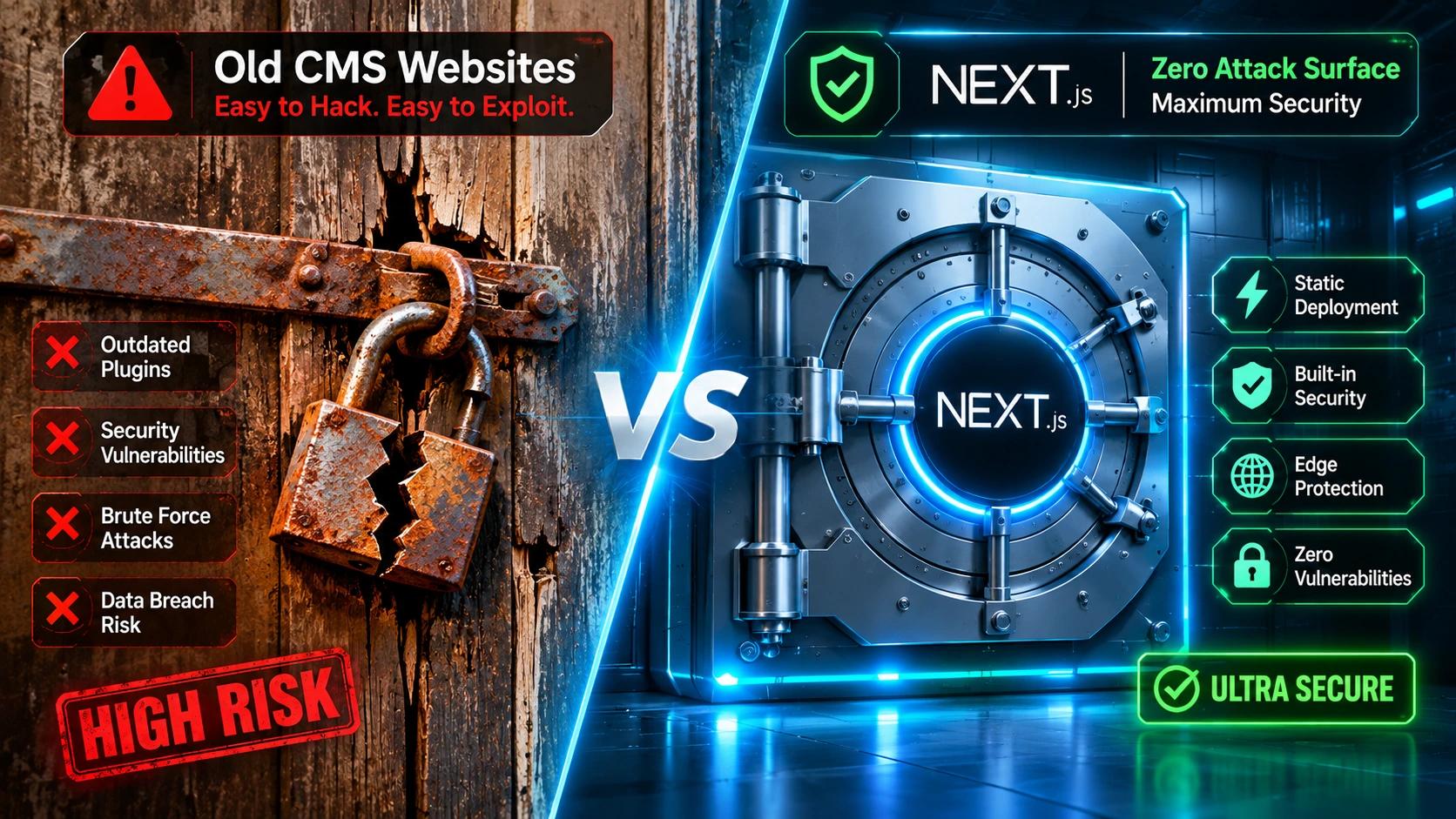
Figure 3: Architecture comparison: Outdated CMS doors versus impenetrable modern Next.js edge vaults.
4. The Simple Migration Path: How Bristol Businesses Move to Next.js Smoothly
Many local business owners worry that moving away from an old platform will be difficult, disrupt their trade, or wipe out their current Google ranking positions. But when handled by an experienced engineering team, moving to modern Next.js is completely smooth and stress-free.
We transfer your existing written text, clean up your brand imagery, make sure mobile phone users have a seamless experience, and keep all your current web links alive using clean redirects. Search engines like Google see the exact same useful business information—only now it responds instantly and passes every security and speed check with perfect scores.
Once your new Next.js architecture goes live, your website changes from a worrying technical burden into an effortless, dependable sales tool that brings in local leads day after day across Bristol, Bath, and the wider South West.
- Full protection of existing search rankings and web addresses throughout the entire changeover
- Clean mobile-first design made specifically to turn local Bristol visitors into paying customers
- No weekly plugin updates or maintenance worries: total freedom from security alerts and server downtime

Figure 4: Secure website performance resulting in steady local customer enquiries and total operational peace of mind.
| Older Website Systems (Traditional CMS) | IT TEC SOLUTION Custom Next.js |
|---|---|
| Prone to automatic bot hacks and plugin weaknesses | Zero attack surface; no direct database exposure |
| Requires weekly plugin updates and constant monitoring | Completely maintenance-free static edge deployment |
| Slow page speeds (often 3 to 5 seconds to load) | Instant sub-second delivery on every device |
| Risk of unexpected crashes when updates conflict | Rock-solid stability with zero breaking dependencies |
| Unpredictable monthly maintenance and repair bills | Dependable platform engineered for long-term business growth |

Figure 4: Commercial Lead Attribution & Compounding Revenue Model for Bristol Businesses.
Bristol Core Services & Technical Architecture Hub
Explore our core revenue and optimization pathways engineered for businesses across Bristol (including Eastville, Southmead, Bedminster, and Horfield):
Related Search Engineering Guides
Frequently Asked Questions About Search Architecture
Why do older small business websites get hacked so easily?
Most older sites use dozens of separate third-party plugins. If even one plugin has weak code, automated scripts scan the internet and exploit it to inject spam or steal contact form details.
Will moving my website to Next.js hurt my current Google rankings?
No. With proper link mapping and clean redirects, your rankings often improve because Next.js loads far faster and delivers the strong performance scores that search engines favor.
Do I still need to pay for antivirus security plugins after switching to Next.js?
No. Next.js creates pre-built static code that does not run on traditional open database servers, making separate security plugins and costly monthly software subscriptions unnecessary.
How does fast loading speed help trade businesses in Bristol get more jobs?
Local customers needing prompt help will leave slow websites within three seconds. An instant load keeps people on your page so they can call or send a quote request straight away.
How long does it take to migrate an existing company website to Next.js?
A standard small to medium business site is typically rebuilt, tested, and launched within 7 to 14 days without causing any downtime for your everyday business operations.
Arghya Mitra
Lead Technical Architect & SEO DirectorFounder and Senior Architect at IT TEC SOLUTION. With extensive full-stack Next.js engineering and search architecture experience, he designs sub-second systems and local revenue engines for high-growth UK businesses.
Ready to Win Real High-Intent Leads in Bristol?
Work directly with our senior engineering team — no middleman markups, no account managers. Let's build your sub-second Next.js website and dominate modern search engines.