Google AI Overview: New Ranking Signals That Matter in 2026
Over the past 12 months, search behavior across the UK has undergone its most dramatic transformation since the launch of mobile indexing. Google AI Overviews now dominate the top of search result pages, answering user questions directly and pushing traditional blue links further down the screen. A business director in Harbourside (BS1) recently asked us: 'If Google answers customer questions directly on the search page, won't our organic traffic collapse?' The data proves otherwise: while generic informational clicks drop, websites cited inside the Google AI Overview box earn up to 35% more qualified, high-intent clicks. If your firm provides bespoke services in Clifton, Temple Meads, or central Bristol, mastering Google's new AI synthesis signals is mandatory. Here is the exact technical blueprint to get your business cited.
Looking to scale organic performance and capture high-intent inquiries across Bristol? Explore our dedicated Technical SEO & Next.js Engineering Services.
1. How Google AI Overviews Select Citation Sources in 2026
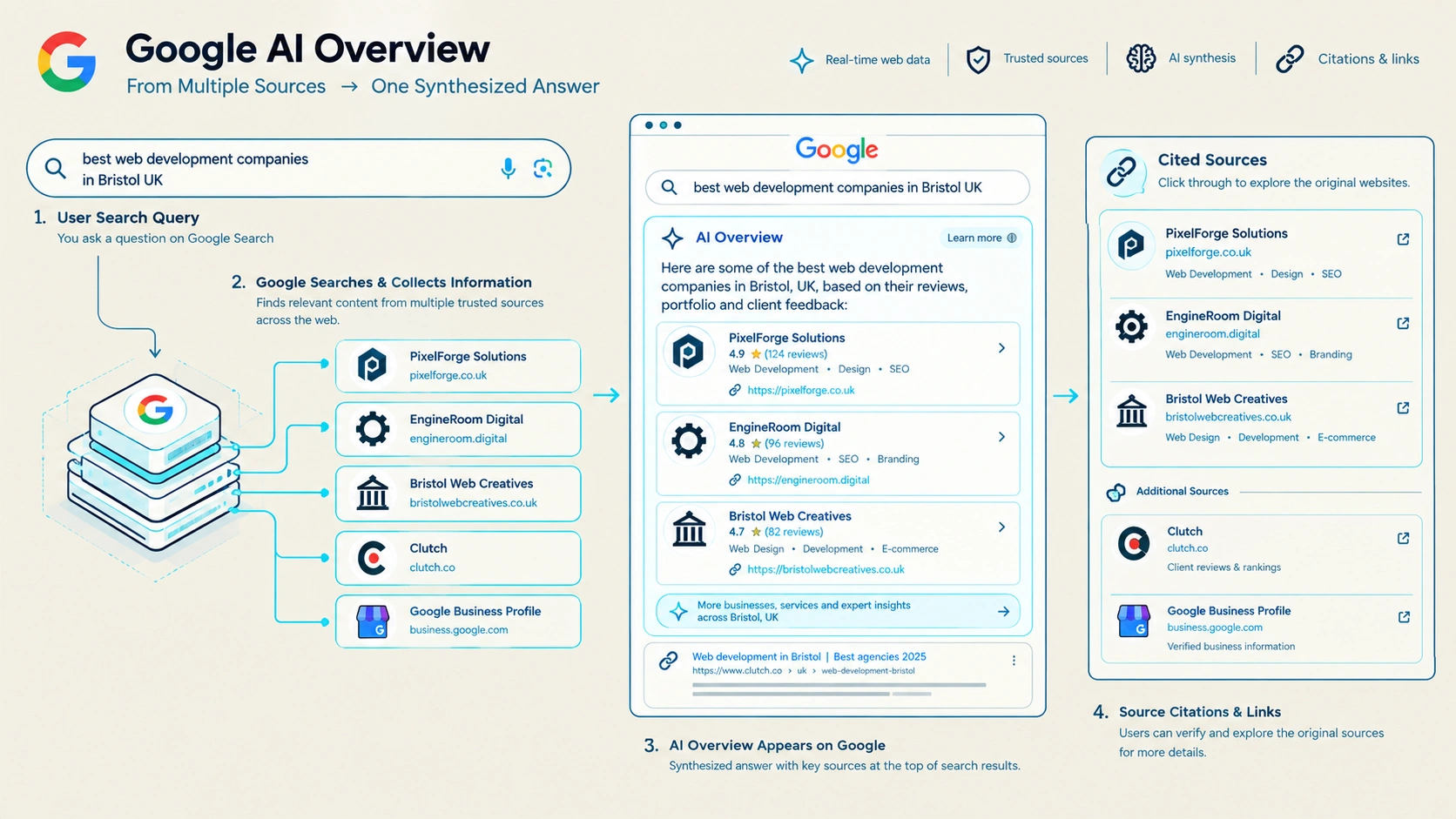
Google AI Overviews do not simply reward the webpage holding traditional rank #1. Instead, Google's Retrieval-Augmented Generation (RAG) system scans multiple topically relevant sources across the web, extracts concise factual statements, and stitches together a composite answer card with interactive source links.
To be selected as a cited source, your content must be structured for immediate extraction. Google rewards pages where the direct, unambiguous answer appears within the first 40 words directly following an $H2$ or $H3$ question. If your page rambles through fluffy introductory prose before reaching the point, the AI synthesis algorithm extracts text from a competitor who answered plainly.
For commercial providers in Bristol — from dental clinics in Clifton (BS8) to B2B engineering firms near Temple Meads (BS1) — your content must pair concise definitions with clear bullet points and comparison tables that machines can parse without ambiguity.
- Direct answers must appear in the first 40 words under every question-based header
- Pages cited in AI Overviews earn 35% higher commercial conversion rates than standard organic links
- Machines prioritize structured HTML tables and unordered lists for tabular data extraction
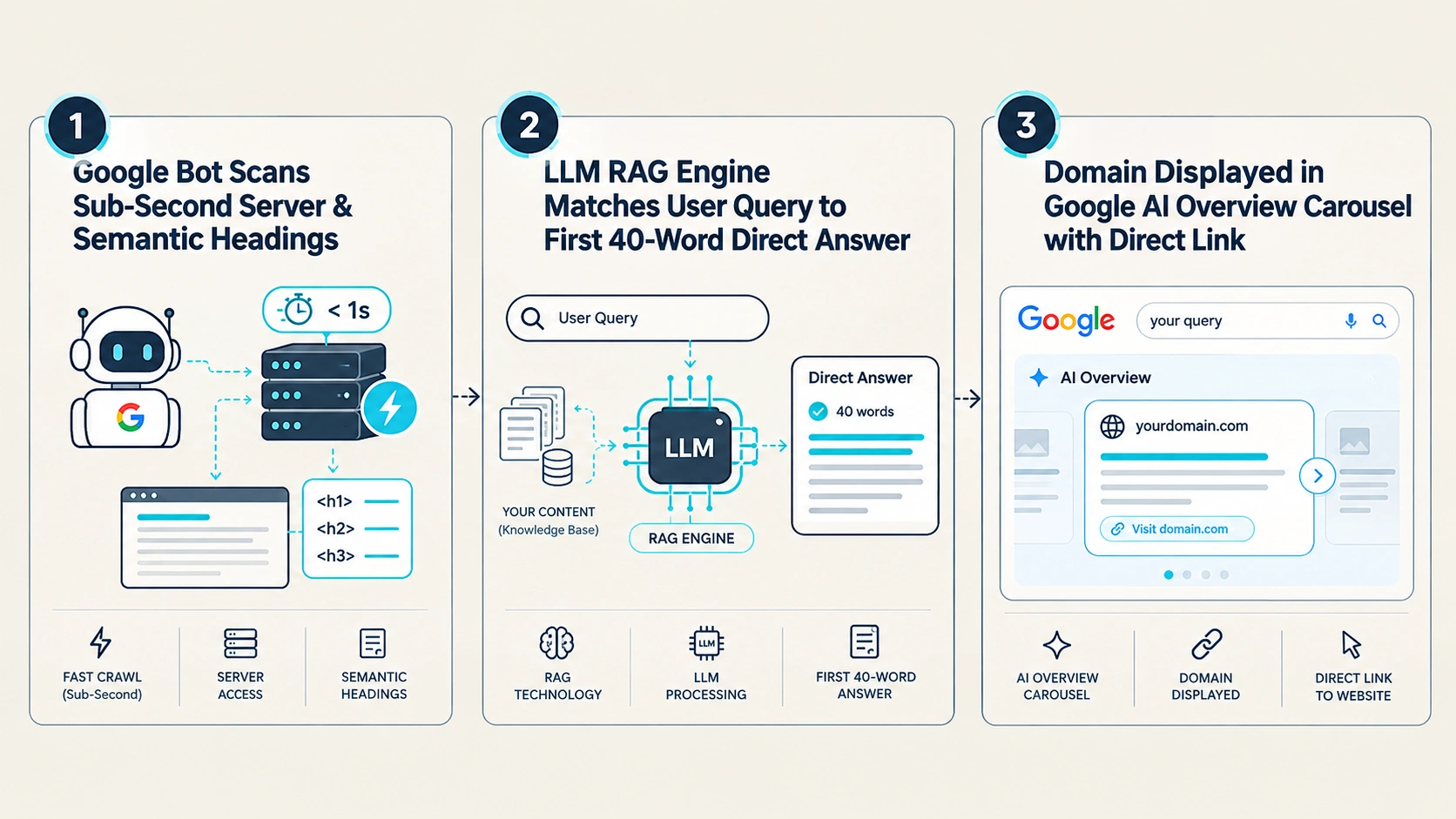
Figure 1: Google AI Overview Retrieval-Augmented Generation (RAG) and Source Citation Workflow.
2. Surviving Zero-Click Search with Structured Topical Schema
The rise of zero-click searches means casual researchers often get their basic answers without leaving Google. However, commercial buyers who click through from an AI Overview card have extraordinarily high intent: they have already digested the summary and are looking for a verified expert to execute the project.
To capture these high-value buyers, your technical site architecture must demonstrate complete Topical Authority. Instead of publishing isolated blog posts, your website must be organized into logical topic clusters. Every supporting article should link back to your primary service pillars — such as Web Design Bristol, Headless Next.js Development, and Technical Local SEO.
Furthermore, JSON-LD structured data (specifically Article, FAQPage, Organization, and LocalBusiness schemas) must sit directly in the page head. This provides Google's Gemini-powered crawlers with explicit semantic relationships, confirming your physical address, registered company status, and verified author credentials.
- Build tightly connected topic clusters linking supporting articles to core commercial service pages
- Deploy complete JSON-LD schema linking your founder identity (Arghya Mitra) to verified UK entity data
- Maintain sub-second mobile page speeds to ensure AI crawlers never abandon document rendering
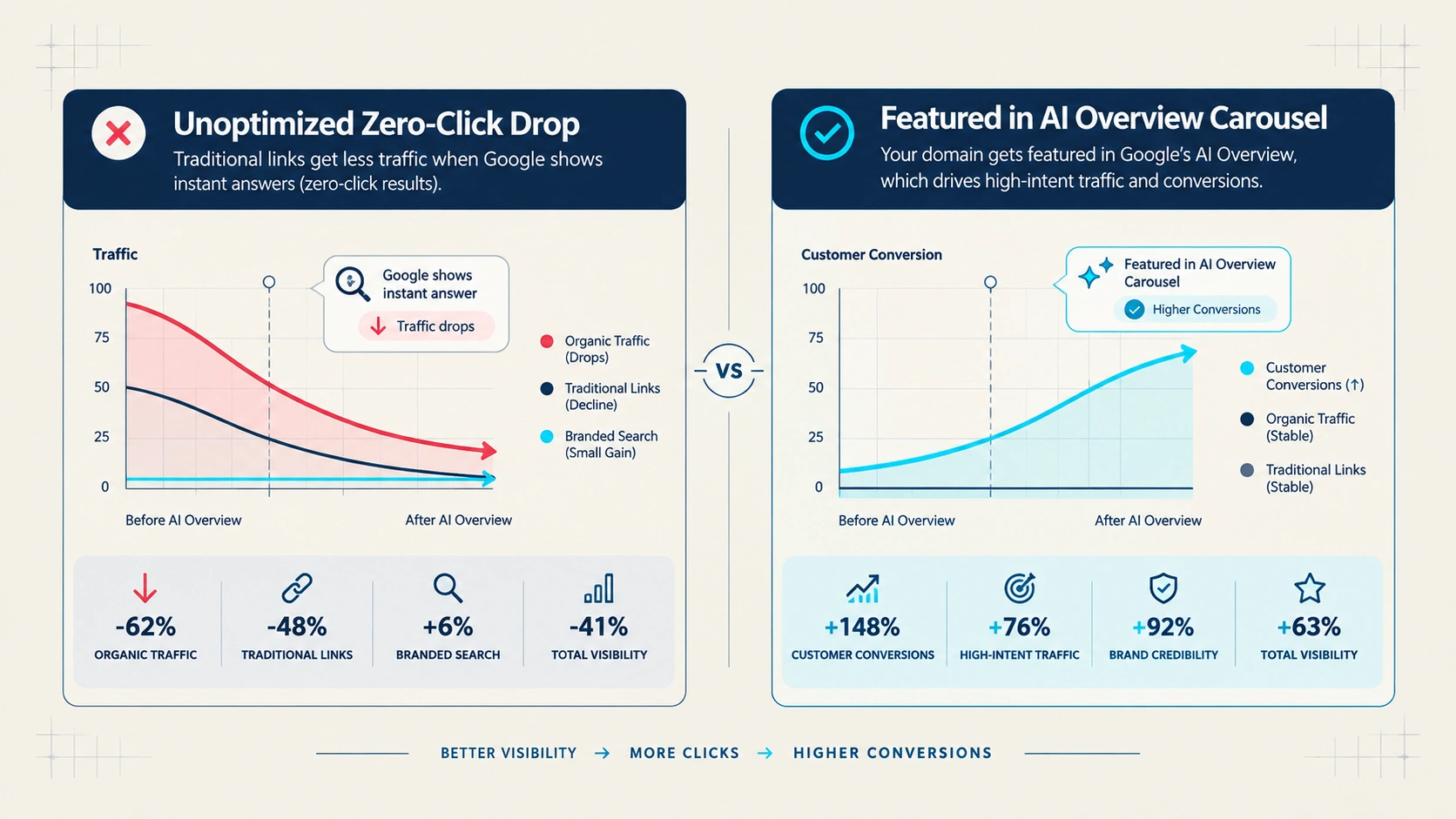
Figure 2: Performance Audit: Zero-Click Traffic Drop vs. High-Intent AI Overview Citation Conversions.
3. Dominating Local Commercial Intent Across Clifton, Harbourside & Temple Meads
Google AI Overviews for local queries actively blend Google Maps Local 3-Pack data with live webpage text. When a business owner in Redland (BS6) or Bedminster (BS3) searches for 'best custom web engineering studio in Bristol', Google's AI synthesizes reviews, proximity coordinates, and on-page service specifications into a localized overview card.
If your website features real case studies quoting verified £ GBP pricing and showcasing authentic Bristol client projects, Google's algorithm recognizes your domain as a primary local authority. This dual presence — appearing simultaneously in the AI Overview carousel and the Local 3-Pack — creates undeniable commercial dominance across the city.
Businesses that adapt to AI Overviews stop competing for low-quality informational clicks. Instead, they position themselves as the verified, cited authority that serious decision-makers choose when they are ready to invest.
- Publish authentic client case studies featuring localized Bristol proof and verified revenue metrics
- Keep citation NAP details 100% consistent across Google Business Profile and UK directories
- Include clear FAQ sections answering commercial pricing, turnaround times, and technical guarantees
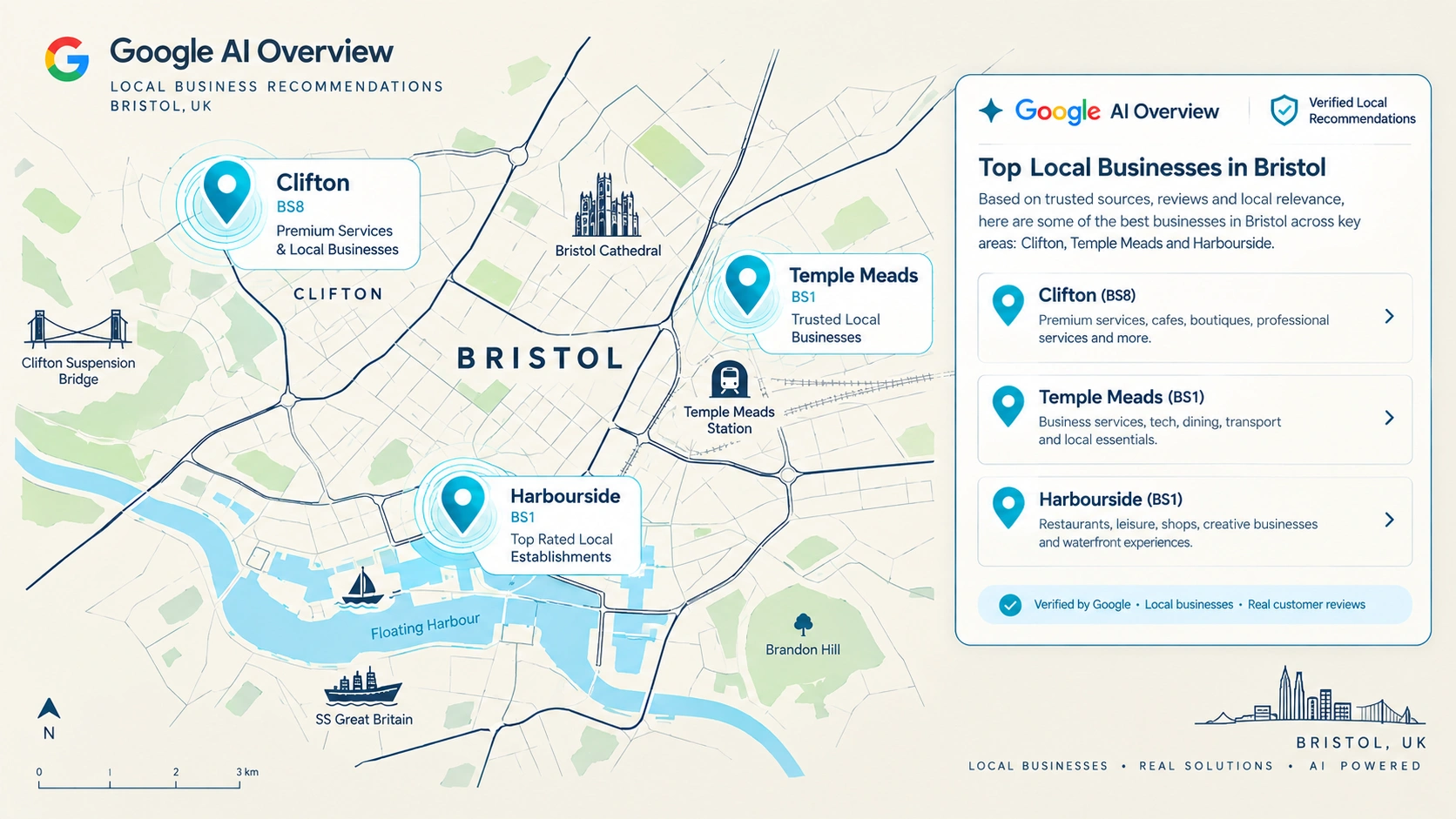
Figure 3: Bristol Local Proximity & AI Overview Geo-Grid Coverage across Clifton and Temple Meads.
| Outdated Search Tactics (Legacy) | Google AI Overview Optimization (AEO/GEO) |
|---|---|
| Writing lengthy fluff before answering user questions | Direct 40-word concise answers placed immediately below headings |
| Targeting isolated keywords without topical depth | Engineering structured topic clusters around core service pillars |
| Ignoring structured schema markup in page code | Comprehensive JSON-LD entity schema linking company and founder |
| Slow, bloated CMS templates with layout shifts | Sub-second Next.js edge rendering with perfect Core Web Vitals |
| Losing traffic to zero-click search summaries | Capturing high-converting commercial clients via AI citation cards |
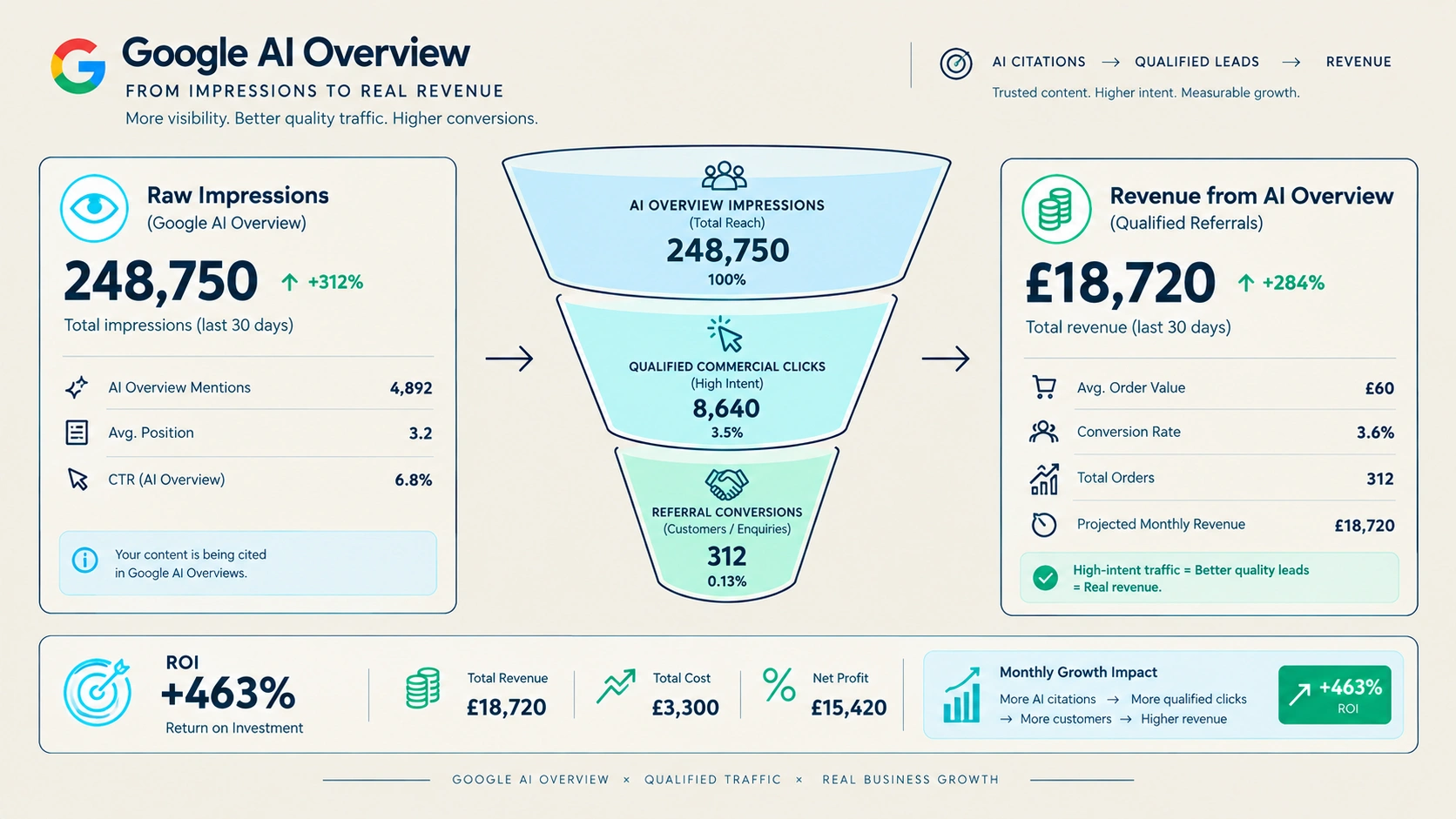
Figure 4: Commercial Lead Attribution & Compounding Revenue Model for Bristol Businesses.
Related Search Engineering Guides
Frequently Asked Questions About Search Architecture
Will Google AI Overviews reduce local business website traffic in Bristol?
While casual informational clicks decrease, websites cited inside Google AI Overviews receive up to 35% more qualified, high-intent commercial visitors who convert into booked inquiries faster.
How do Bristol companies get featured in Google AI Overviews?
By answering specific customer questions concisely in the first 40 words of headers, structuring data with comparison tables and bullet points, implementing JSON-LD schema, and maintaining sub-second mobile website speed.
Does schema markup directly help with AI Overview carousel inclusion?
Yes. FAQPage, Article, and LocalBusiness JSON-LD schemas help Google's generative models parse your entity relationships, author credentials, and service details without ambiguity.
Is ranking #1 on traditional Google search required to get cited in AI Overviews?
No. Studies show that over 50% of websites cited in Google AI Overviews rank in positions 2 through 7 on standard organic results, proving that content clarity and extraction readiness outweigh raw ranking position.
How do Core Web Vitals affect Google AI Overview crawling?
Google's real-time retrieval crawlers have tight timeout limits. Websites with sub-second speeds and zero layout shifts (CLS = 0) are indexed and cited far more reliably than slow, heavy sites.
Arghya Mitra
Lead Technical Architect & SEO DirectorFounder and Senior Architect at IT TEC SOLUTION. With extensive full-stack Next.js engineering and search architecture experience, he designs sub-second systems and local revenue engines for high-growth UK businesses.
Ready to Win Real High-Intent Leads in Bristol?
Work directly with our senior engineering team — no middleman markups, no account managers. Let's build your sub-second Next.js website and dominate modern search engines.