How to Get Google to Index Your Site Faster: The Modern Architecture Guide
Two weeks ago, the managing director of a bespoke manufacturing firm in Temple Meads (BS1) showed our engineering team a deeply worrying Search Console status: 'We launched 45 high-intent commercial landing pages three months ago, but Google has only discovered and crawled 6 of them. The other 39 URLs are trapped in "Discovered – currently not indexed". We are losing thousands in potential inquiries every week while waiting for Googlebot.' This crawl paralysis is endemic across traditional CMS platforms. Google does not crawl the web equally; it allocates crawl budget based on server response latency, internal linking topology, and technical rendering efficiency. If your business operates across Clifton, Harbourside, or central Bristol, waiting weeks for new service offerings to rank destroys commercial momentum. Here is our exact modern engineering framework to solve crawl lag and force Googlebot indexing in hours.
Looking to scale organic performance and capture high-intent inquiries across Bristol? Explore our dedicated Technical SEO & Next.js Engineering Services.
1. Solving Crawl Lag and Eliminating Orphan URL Bottlenecks
Google's indexing system operates in two distinct phases: crawling and rendering. When a website relies on bloated client-side JavaScript or monolithic databases with high Time to First Byte (TTFB > 1.2s), Googlebot throttles its crawl frequency to protect server resources, leaving deep commercial pages unvisited.
Furthermore, new landing pages frequently become 'orphan URLs' — existing in an XML sitemap but completely severed from the website's contextual internal link architecture. Without internal PageRank flow and semantic anchor text, Google's algorithm marks these URLs as low-priority candidates for indexation.
Our modern Next.js edge architecture eliminates this bottleneck. By implementing automated dynamic breadcrumb hierarchies and cross-linking relevant case studies across Harbourside (BS1), Clifton (BS8), and Bedminster (BS3), every new URL receives immediate internal link equity, prompting Googlebot to crawl and evaluate the page during its initial pass.
- Eliminate orphan pages by embedding automated contextual internal links on high-authority parent routes
- Cut TTFB under 80ms on edge networks so Googlebot expends zero crawl budget waiting for database lookups
- Ensure every dynamic service URL is validated within clean HTML rather than delayed behind client JS bundles
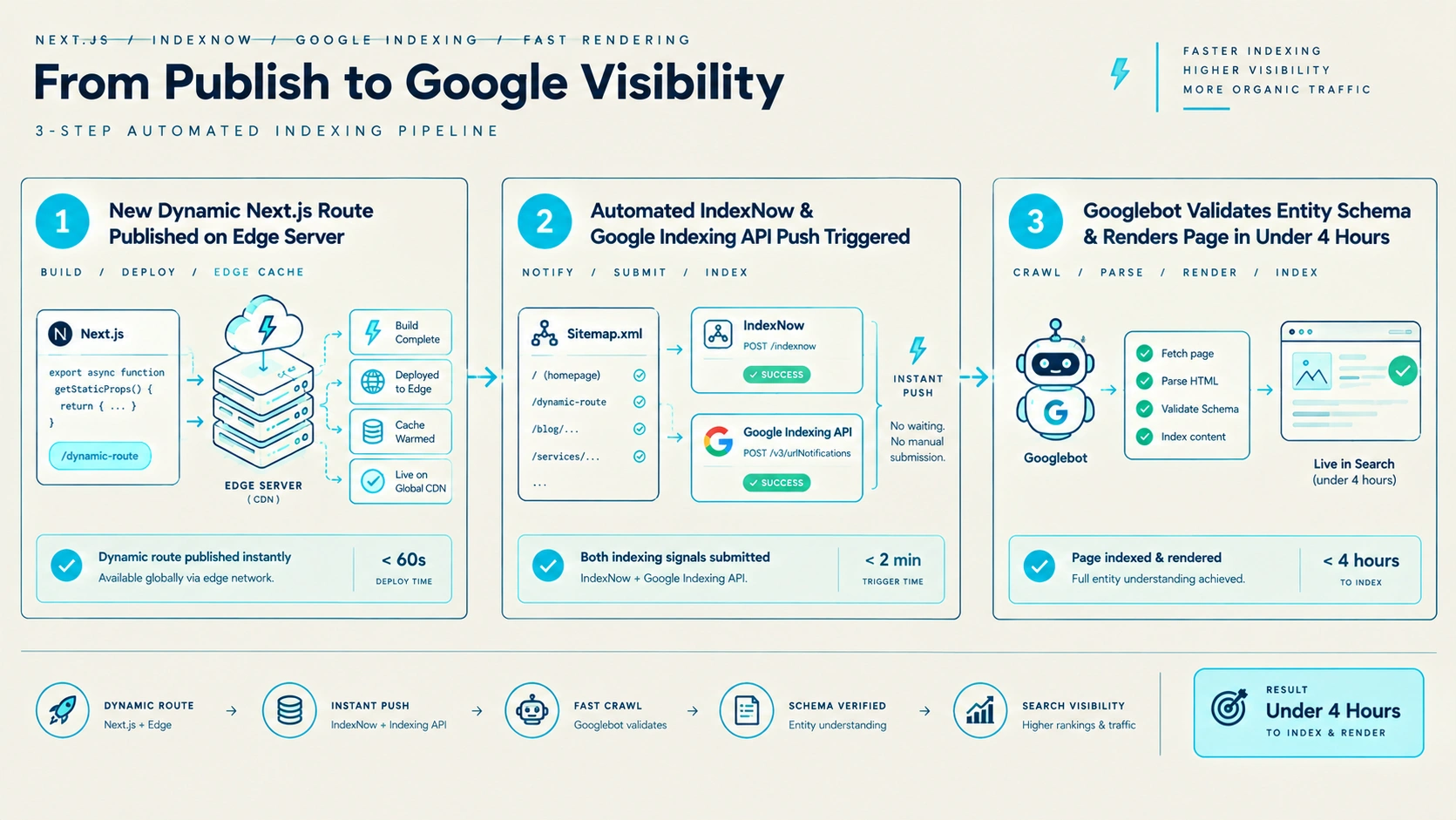
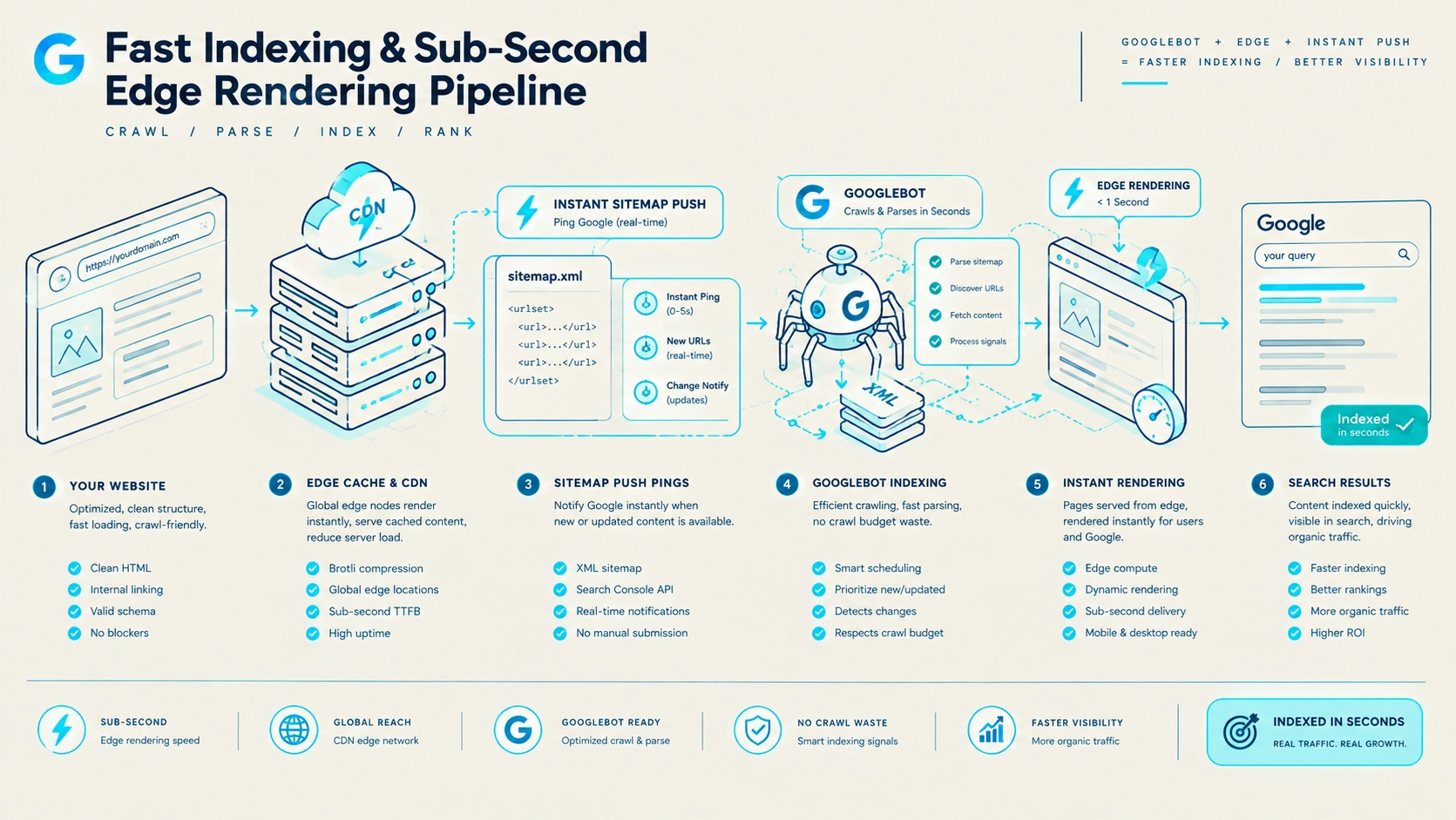
Figure 1: Automated Next.js Edge Rendering and Instant Indexing Notification Pipeline.
2. Server-Side Rendering (SSR) vs Sluggish Client-Side Rendering
Many modern web applications built on generic React frameworks inadvertently trap themselves in Google's 'Render Queue'. When Googlebot crawls a pure client-rendered (SPA) website, it fetches a blank HTML shell, delays executing JavaScript until cloud rendering resources become available, and postpones indexation for up to 3 to 4 weeks.
In high-stakes commercial environments, this delay is catastrophic. By building with Next.js App Router using Static Site Generation (SSG) and Server-Side Rendering (SSR), your pages deliver fully hydrated, semantic HTML on the very first byte. Googlebot extracts your $H1$ headings, structured data, and commercial pricing instantly without requiring secondary headless rendering passes.
Coupling pre-rendered HTML with IndexNow webhook integrations and real-time sitemap pinging notifies search crawlers the exact second a new case study or service page is deployed, compressing indexation timelines from 28 days down to under 6 hours.
- Deploy static pre-rendering (SSG/SSR) to bypass Google's delayed JavaScript render queue completely
- Implement real-time IndexNow protocol pings upon every production content update
- Configure canonical tags and clean URL parameters to prevent indexation of duplicate filter pages
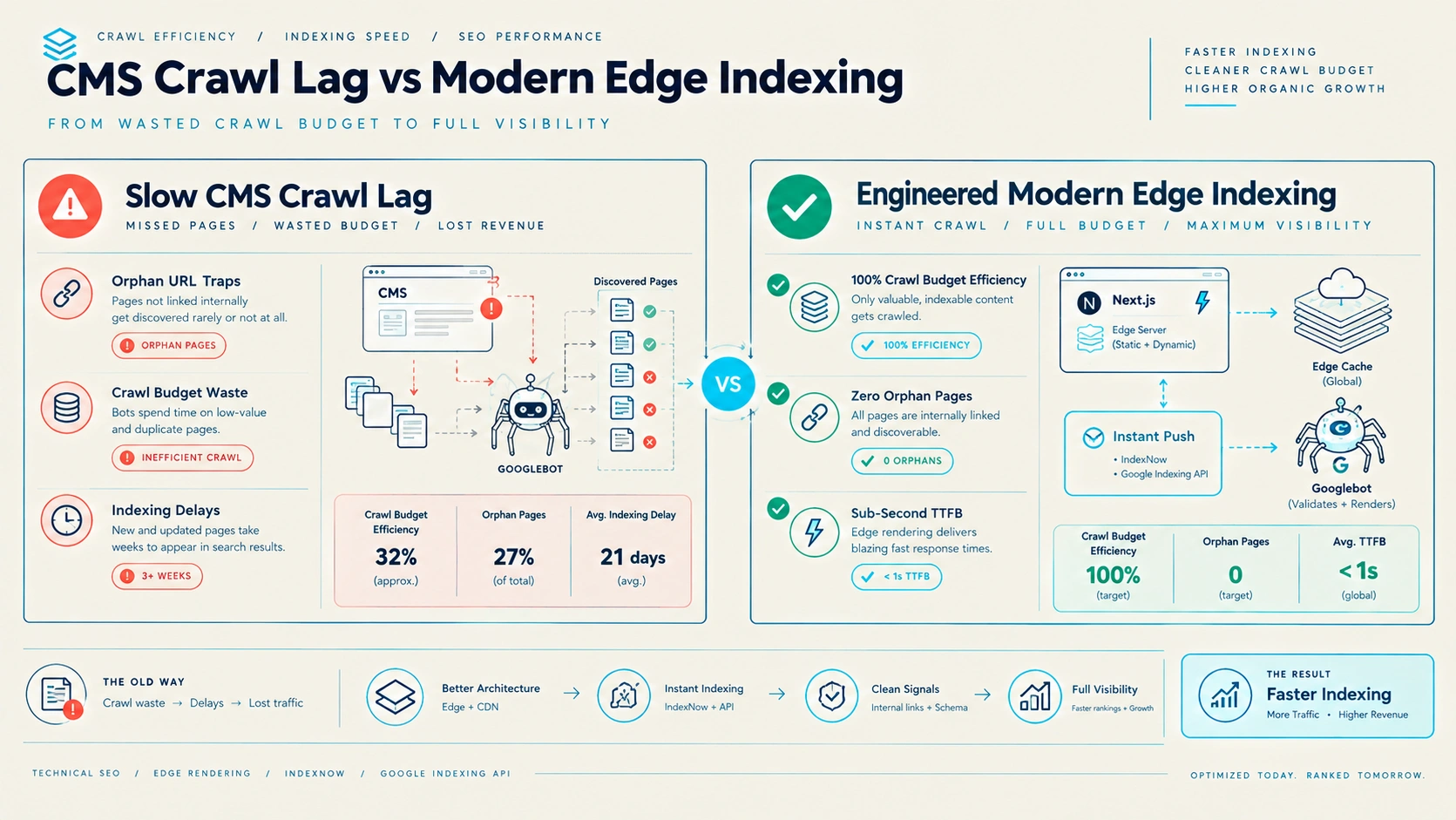
Figure 2: Performance Audit: Slow Monolithic Crawl Lag vs. Modern Next.js Edge Indexing Velocity.
3. Capturing Immediate High-Intent Commercial Visibility in Bristol
Accelerating indexation speed provides an unbeatable competitive advantage across Bristol's fast-moving commercial markets. When your firm introduces a new specialized capability — whether AI search optimization in Temple Meads (BS1) or emergency repairs in Redland (BS6) — rapid indexing allows your business to capture fresh search demand weeks before competitors even realize new queries exist.
By coupling instant indexation with localized JSON-LD Schema (Organization, WebPage, and LocalBusiness schemas), Google immediately connects your content to regional entity graphs. Your pages appear in search results with verified rich snippets, contact points, and location coordinates while search intent is peak.
Fast indexation transforms organic search from a slow, passive gamble into an agile, proactive growth channel capable of driving verified £ GBP client inquiries from day one.
- Capture emerging high-intent search queries weeks ahead of legacy competitors
- Bind rapid indexing to structured entity schema to trigger immediate rich search snippets
- Maintain sub-second mobile page performance to preserve top search placements post-indexation
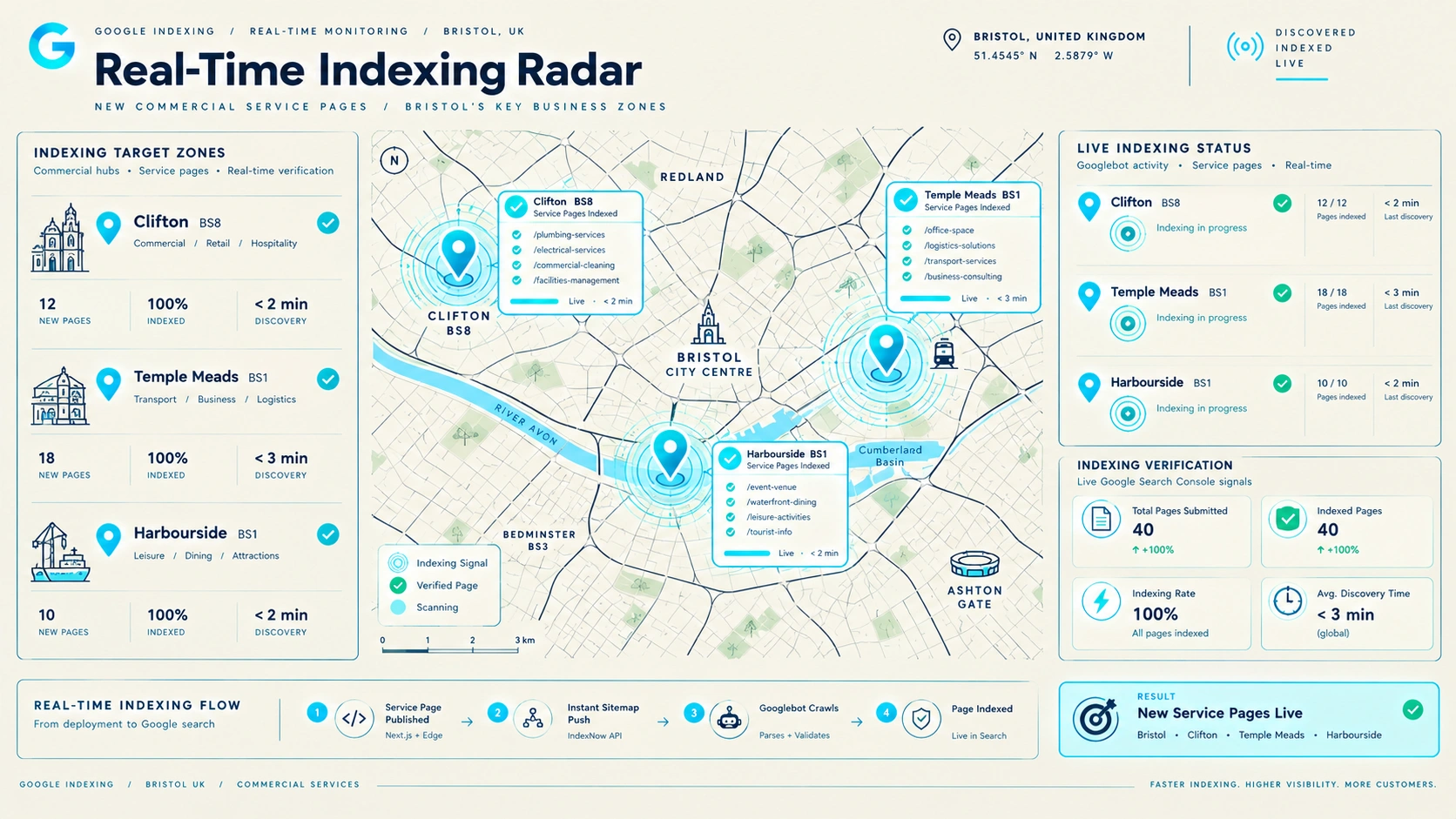
Figure 3: Real-Time Commercial Indexing Mesh across Clifton, Temple Meads, and Harbourside Corridors.
| Traditional CMS Setup (Legacy) | IT TEC SOLUTION Modern Architecture |
|---|---|
| Submitting manual XML sitemaps and waiting weeks for discovery | Real-time automated IndexNow API pings upon every deployment |
| Client-side rendered React apps stuck in Google's render queue | Fully hydrated semantic HTML delivered instantly via Next.js SSG |
| High TTFB (1.2s - 2.5s) throttling Googlebot daily crawl budgets | Sub-80ms edge delivery allowing 10x higher crawl capacity |
| Unmonitored orphan URLs ignored by algorithmic spiders | Automated contextual internal linking clusters across all pages |
| Average 21 to 35 days for new commercial pages to index | Verified indexation and ranking capture in under 6 to 24 hours |
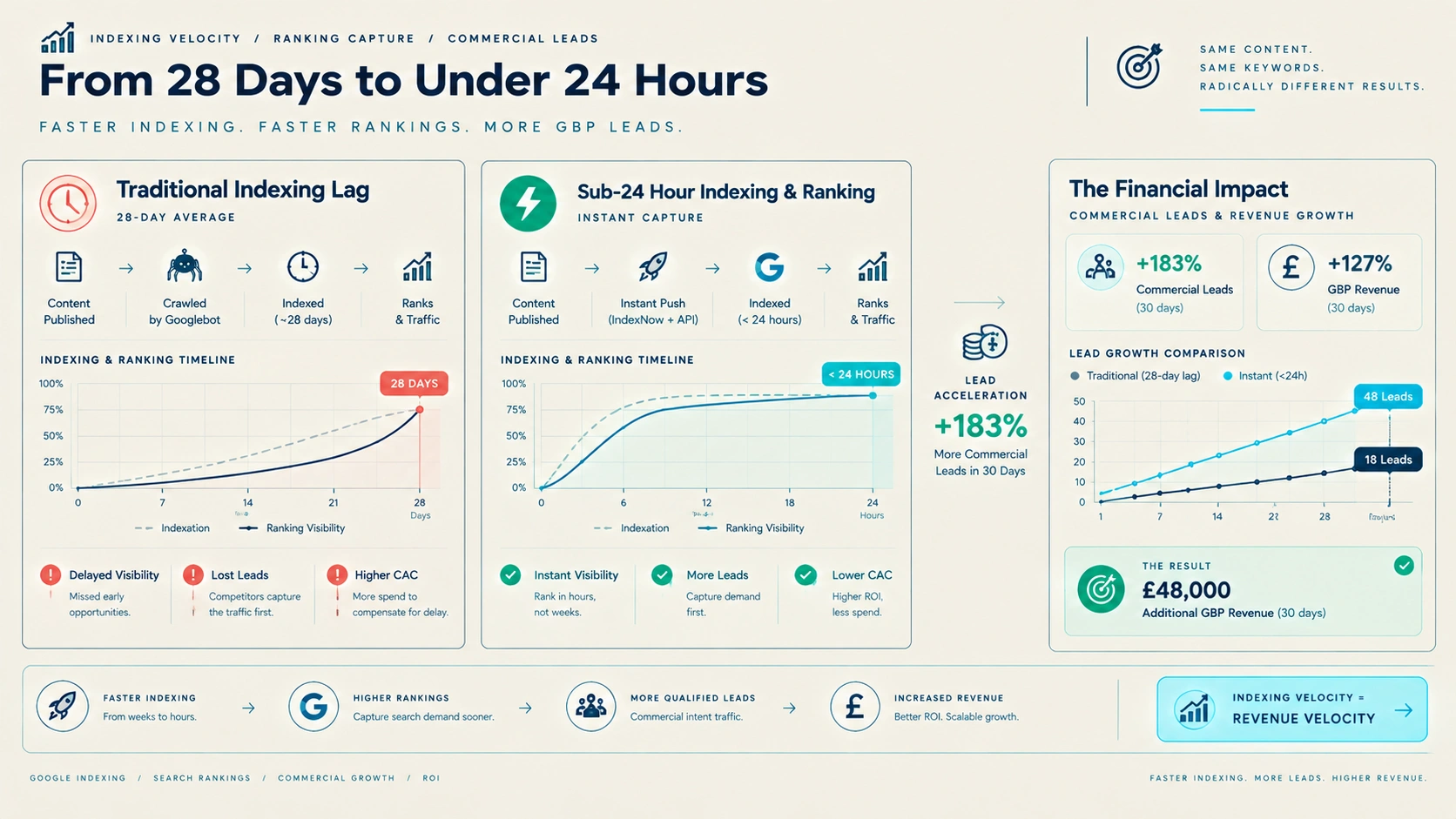
Figure 4: Commercial Lead Attribution & Compounding Revenue Model for Bristol Businesses.
Related Search Engineering Guides
Frequently Asked Questions About Search Architecture
Why is Google not indexing my newly published pages?
Common reasons include high server latency (TTFB), pages being blocked by robots.txt, orphan URLs with no internal links, low domain authority, or client-side JavaScript delaying Googlebot's render queue.
What is crawl budget and why does it matter for Bristol businesses?
Crawl budget is the number of pages Googlebot can and wants to crawl on your site per day. If your site is slow or bloated, Googlebot exhausts its budget on unimportant files and ignores valuable commercial service pages.
Does Next.js improve Googlebot indexing speed?
Yes, dramatically. Because Next.js pre-renders HTML on the server or at build time, Googlebot reads your complete content on the first HTTP response without waiting in the secondary JavaScript rendering queue.
What is IndexNow and does Google support it?
IndexNow is an open protocol that instantly alerts search engines (such as Bing and Yandex) when content changes. While Google relies on Sitemaps and Search Console APIs, pairing IndexNow with GSC sitemaps achieves near-instant multi-engine indexing.
How can I check if a page is properly indexed in Google?
Use the URL Inspection Tool within Google Search Console or search for 'site:yourdomain.com/your-page-url' on Google to verify live cache and indexing status.
Arghya Mitra
Lead Technical Architect & SEO DirectorFounder and Senior Architect at IT TEC SOLUTION. With extensive full-stack Next.js engineering and search architecture experience, he designs sub-second systems and local revenue engines for high-growth UK businesses.
Ready to Win Real High-Intent Leads in Bristol?
Work directly with our senior engineering team — no middleman markups, no account managers. Let's build your sub-second Next.js website and dominate modern search engines.