
Why Slow Website Speed Is Costing Bristol Businesses Customers: The Next.js Speed Advantage in 2026
Imagine you run an emergency plumbing service in Bedminster, an electrical repair team in Horfield, or a cozy coffee shop in Clifton. A local customer’s kitchen pipe bursts or they need urgent help right now. They grab their mobile phone, type into Google, and tap on your website link. But instead of opening instantly, the screen stays blank for four or five seconds while spinning a loading wheel. What does that customer do? They close your tab immediately and call your competitor down the road. In today's fast-moving world, website speed is everything. In this clear, jargon-free guide written for everyday business owners, we explain why older platforms like WordPress drag their feet, why plain HTML websites struggle to stay modern, and how lightning-fast Next.js architecture keeps your phone ringing day and night.

Looking to dominate local rankings? Explore our specialized Bristol SEO Services and Responsive Web Design in Bristol.
1. The Three-Second Rule: Why Slow Loading Destroys Local Sales
People hate waiting. When someone searches for a local service on their phone while standing on a busy Bristol pavement, they expect answers right away. Studies show that if a business website takes longer than three seconds to load, more than half of those potential customers will click away and never come back.
Traditional platforms like WordPress carry a heavy load behind the scenes. Every time a visitor lands on your page, the server has to wake up a database, run dozens of separate plugin scripts, load massive page builders, and stitch the page together piece by piece. By the time everything finally appears on the user's screen, your potential customer has already given their job to someone else.
At IT TEC SOLUTION, we build systems that load instantly—often in less than half a second. When your digital front door opens the millisecond a customer taps it, trust goes up, frustration drops, and local enquiries turn into paid jobs.
- More than half of mobile visitors abandon websites that take over three seconds to load
- Legacy platforms waste precious seconds running hidden background database queries
- Instant loading keeps local customers engaged and eager to call your business

Figure 1: The hidden waiting time on older websites that frustrates mobile users across Bristol.
2. WordPress vs. Plain HTML vs. React vs. Next.js: The Real Speed Test
You might wonder: aren't all websites fast if built properly? Let's break it down in simple terms. Older WordPress sites are bogged down by constant plugin updates and heavy database requests. Plain HTML sites can be fast, but they are hard to update, look outdated, and lack modern interactive features.
What about standard React apps? While React is great for building interactive app interfaces, standard React sites often load a blank screen first while downloading heavy JavaScript code in the background, which hurts mobile speed and SEO rankings.
Next.js solves all these problems brilliantly. It pre-builds your pages into clean, ready-to-read static files and serves them instantly from global edge networks. There is no database waiting time, no plugin lag, and zero annoying bugs. It gives you the smooth, high-end feel of a mobile app combined with instant website loading speeds.
- WordPress relies on heavy live databases that slow down page delivery
- Plain HTML lacks modern flexibility and secure interactive features
- Next.js combines pre-built static speed with modern interactive performance
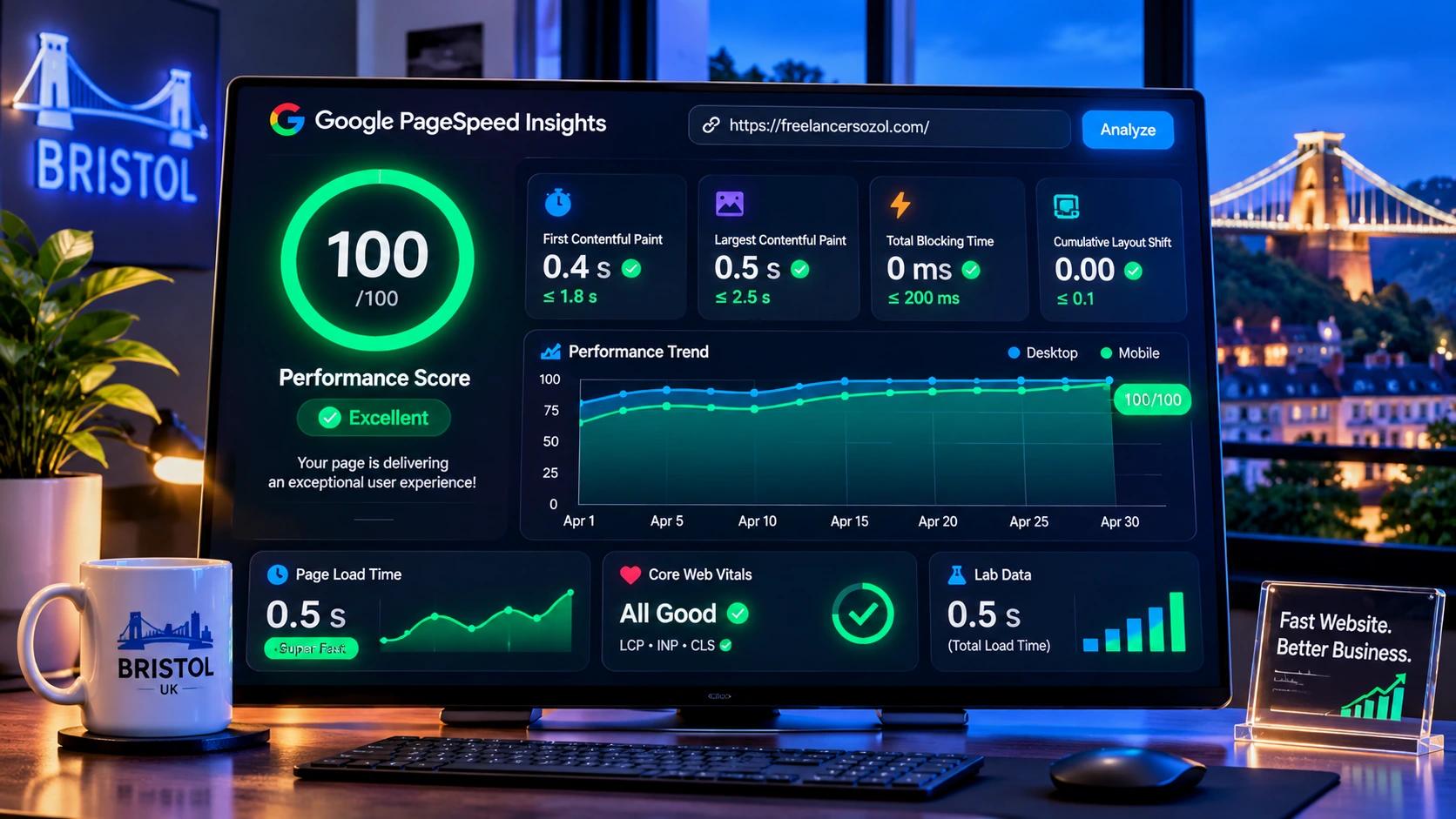
Figure 2: Performance score comparison showing Next.js hitting top-tier speed metrics effortlessly.
3. Smooth Scrolling and Zero Bugs: Why User Experience Drives Google Rankings
Google's search algorithms are smart. They measure how users behave on your website—do they scroll smoothly, do buttons work instantly, or do pages jump around while loading? These metrics are called Core Web Vitals.
When your site runs on a bloated platform, buttons freeze, images pop in late causing text to jump, and scrolling feels sluggish. Google notices this poor user experience and pushes your ranking down behind faster competitors.
Next.js provides buttery-smooth navigation and rock-solid stability. Because the code is lightweight and pre-optimized, pages glide smoothly on every device—from budget smartphones to high-end desktop computers across Bristol and the surrounding South West.
- Google rewards websites that pass strict Core Web Vitals speed tests with higher rankings
- Zero layout shifts ensure buttons and text stay perfectly still while loading
- Flawless mobile scrolling keeps visitors on your site longer, sending positive signals to search engines
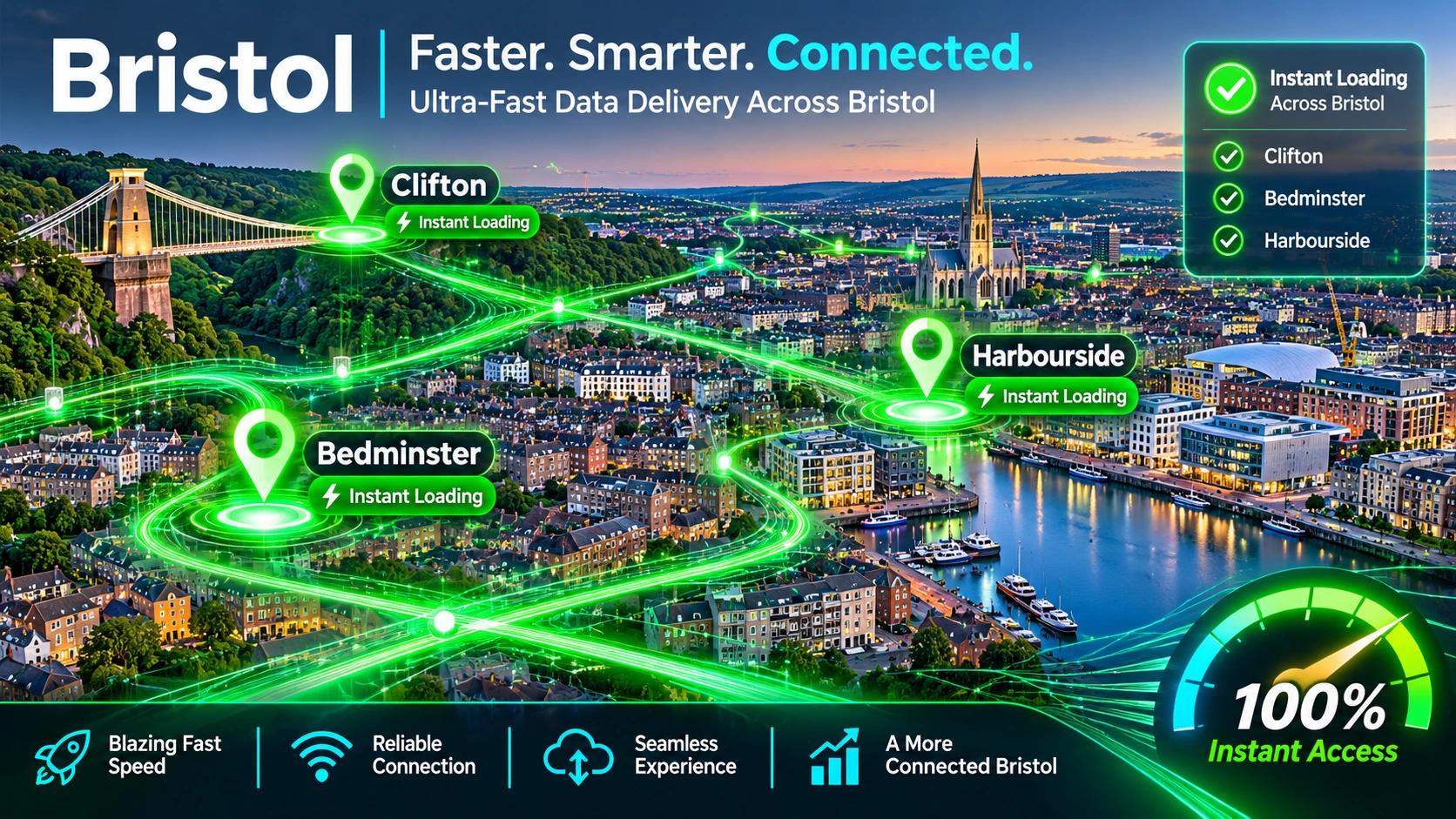
Figure 3: Seamless mobile network performance across all Bristol neighbourhoods.
4. The Smart Choice for Growing Bristol Businesses
Switching your business to a high-performance Next.js setup is not just about fancy technology; it is a direct investment in your company's revenue. When your website loads instantly, ranks higher in local searches, and never crashes during busy periods, your business gains an unbeatable unfair advantage.
Using our professional Arvow-inspired workflow, we handle everything from precise keyword research to clean code deployment and local SEO optimization. You get a maintenance-free, ultra-fast website that works tirelessly for your business around the clock.
Stop letting a slow website hand your best customers to your competitors. Let's upgrade your digital presence to modern Next.js speed and secure your spot at the top of Bristol search results.
- Direct increase in phone calls and quote requests from local customers
- Complete freedom from weekly plugin crashes and slow server loading times
- Long-term digital dominance backed by cutting-edge web architecture

Figure 4: Growing business success and reliable local lead generation with Next.js architecture.
| Legacy WordPress / Slow Sites | IT TEC SOLUTION Next.js Speed |
|---|---|
| Load time: 3 to 6 seconds (causes visitors to leave) | Load time: Under 0.5 seconds (instant display) |
| Prone to plugin conflicts, freezes, and server crashes | Rock-solid stability with zero runtime bugs |
| Poor mobile performance and sluggish scrolling | Butter-smooth mobile navigation and instant touch response |
| Weed out by Google's strict Core Web Vitals penalties | Achieves 99-100% scores on Google PageSpeed insights |
Figure 4: Commercial Lead Attribution & Compounding Revenue Model for Bristol Businesses.
Bristol Core Services & Technical Architecture Hub
Explore our core revenue and optimization pathways engineered for businesses across Bristol (including Eastville, Southmead, Bedminster, and Horfield):
Related Search Engineering Guides
Frequently Asked Questions About Search Architecture
Why do older WordPress websites load so slowly on mobile phones?
WordPress websites must fetch data from a live database and run dozens of separate background plugins every single time a visitor opens a page, causing noticeable delays on mobile networks.
How does Next.js achieve such fast loading speeds?
Next.js compiles your web pages into clean, static files ahead of time and delivers them instantly from high-speed global edge servers, eliminating database lag entirely.
Will a faster website help my business rank higher on Google?
Yes. Google explicitly uses page speed and Core Web Vitals as key ranking signals, meaning faster websites naturally outrank slow competitors in local search results.
Do Next.js websites suffer from annoying bugs or layout shifts?
No. Because Next.js compiles code securely before launch, elements stay firmly in place, providing a smooth, bug-free scrolling and clicking experience for every user.
How long does it take to upgrade a slow business website to Next.js?
A standard small to medium business website is fully redesigned, optimized for speed, and launched within 7 to 14 days without any interruption to your daily trade.
Arghya Mitra
Lead Technical Architect & SEO DirectorFounder and Senior Architect at IT TEC SOLUTION. With extensive full-stack Next.js engineering and search architecture experience, he designs sub-second systems and local revenue engines for high-growth UK businesses.
Ready to Win Real High-Intent Leads in Bristol?
Work directly with our senior engineering team — no middleman markups, no account managers. Let's build your sub-second Next.js website and dominate modern search engines.