
5 Essentials of Website Optimization: Sub-Second Load Times and Perfect CWV
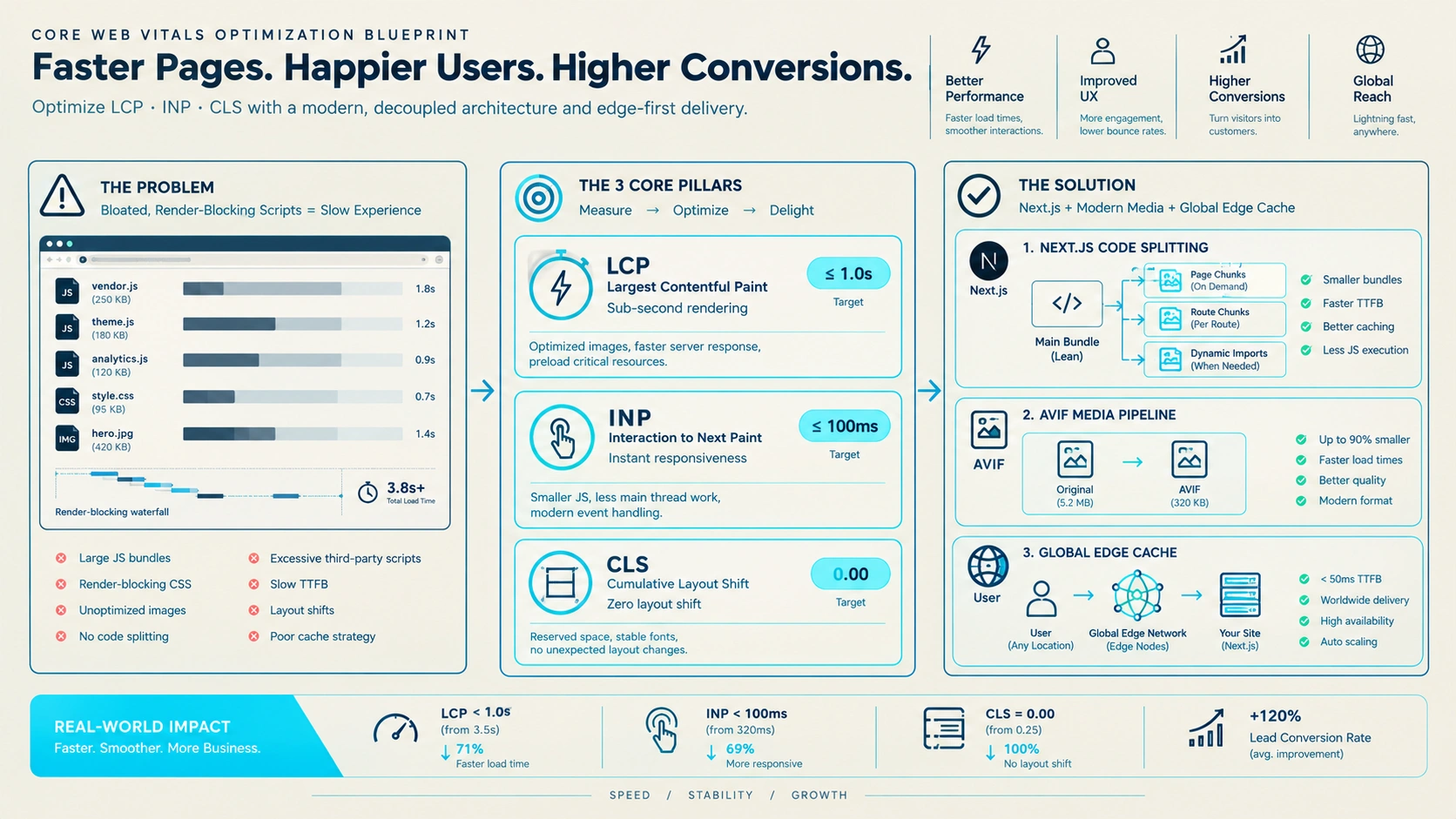
Last month, the operations director of a leading commercial real estate consultancy based near Clifton Heights (BS8) approached our engineering team in deep distress: 'We spent £18,000 on a complete website redesign with a local agency, yet our organic Google rankings plummeted by 40% within six weeks. When our corporate clients in central Bristol attempt to view property listings on their smartphones, the entire layout jumps, the page freezes for three seconds, and our lead inquiry rate has dropped in half.' A forensic performance audit revealed a catastrophic 4.8-second Largest Contentful Paint (LCP), 340ms Interaction to Next Paint (INP), and a disastrous Cumulative Layout Shift (CLS) of 0.38 caused by unoptimized imagery and third-party script bloat. In 2026, website speed is no longer just a technical metric—it is the foundational trust threshold evaluated by both Google Search algorithms and AI answer bots. Here is the exact architectural blueprint we deploy to engineer sub-second page delivery and secure 100/100 Core Web Vitals.
Looking to scale organic performance and capture high-intent inquiries across Bristol? Explore our dedicated Technical SEO & Next.js Engineering Services.
1. Eliminating Heavy JavaScript Payloads & Main-Thread Blocking
In modern web architectures, client-side JavaScript represents the single largest contributor to mobile latency. When websites in high-value commercial corridors from Temple Meads (BS1) to Harbourside (BS1) load bloated bundle sizes exceeding 500KB, the mobile browser's main thread becomes completely paralyzed parsing and executing script tags.
This execution bottleneck directly triggers severe Interaction to Next Paint (INP) failures. When an enterprise decision-maker taps a consultation button or toggles a service tab, the browser cannot register the user interaction until the JavaScript execution queue clears, causing noticeable UI lag and immediate visitor drop-off.
Engineering sub-second load times requires ruthless bundle pruning: dynamic code splitting, tree-shaking dead dependencies, and shifting non-essential tracking scripts off the main thread into lightweight Web Workers via modern Next.js edge architectures.
- Enforce strict client-side JavaScript budgets under 60KB per initial page load
- Utilize dynamic route splitting to prevent loading components until physically scrolled into view
- Resolve mobile Interaction to Next Paint (INP) bottlenecks to maintain sub-50ms user input response
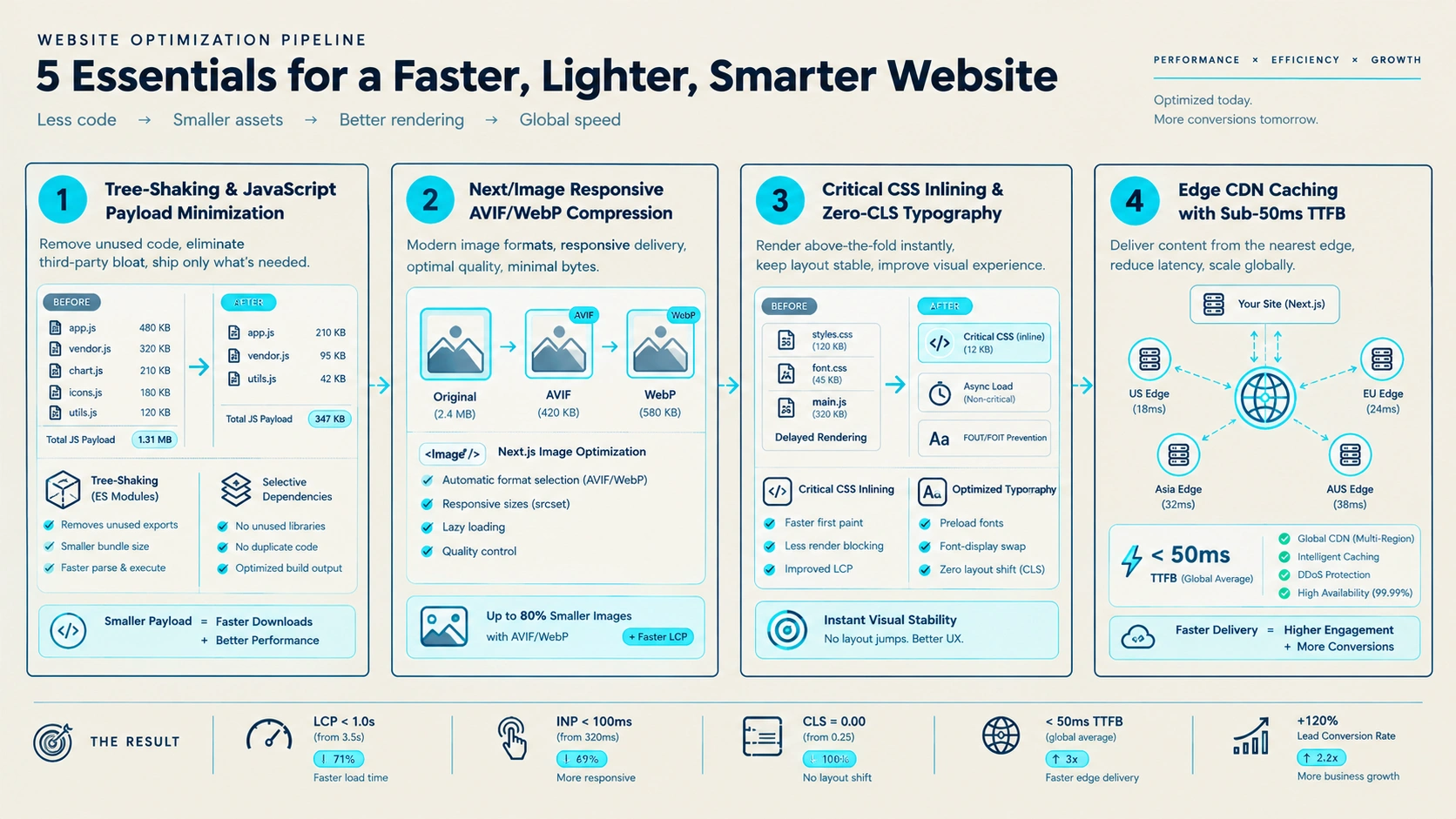
Figure 1: Sub-Second Web Performance & Multi-Tier Core Web Vitals Optimization Pipeline.
2. Next-Gen WebP/AVIF Media Pipelines & Zero Cumulative Layout Shift
Unoptimized raster images are the primary cause of sluggish Largest Contentful Paint (LCP). Serving multi-megabyte JPEG or PNG assets over mobile cellular connections burns visitor bandwidth and delays critical hero content from rendering within Google's 2.5-second threshold.
Furthermore, loading images without explicit width and height aspect-ratio dimensions causes layout reflows, forcing visible page elements to suddenly jump downward as images download. This triggers heavy Cumulative Layout Shift (CLS) penalties in Google Search Console.
Our engineering pipeline solves this by implementing native `next/image` responsive compression, serving modern AVIF and WebP formats with pre-computed container aspect ratios and priority preload hints for above-the-fold hero banners.
- Automate AVIF and WebP format delivery, reducing image file sizes by up to 80% without fidelity loss
- Eliminate Cumulative Layout Shift (CLS = 0.0) by defining strict aspect-ratio containers on all media
- Preload above-the-fold hero assets using priority hints to achieve sub-1.0s Largest Contentful Paint
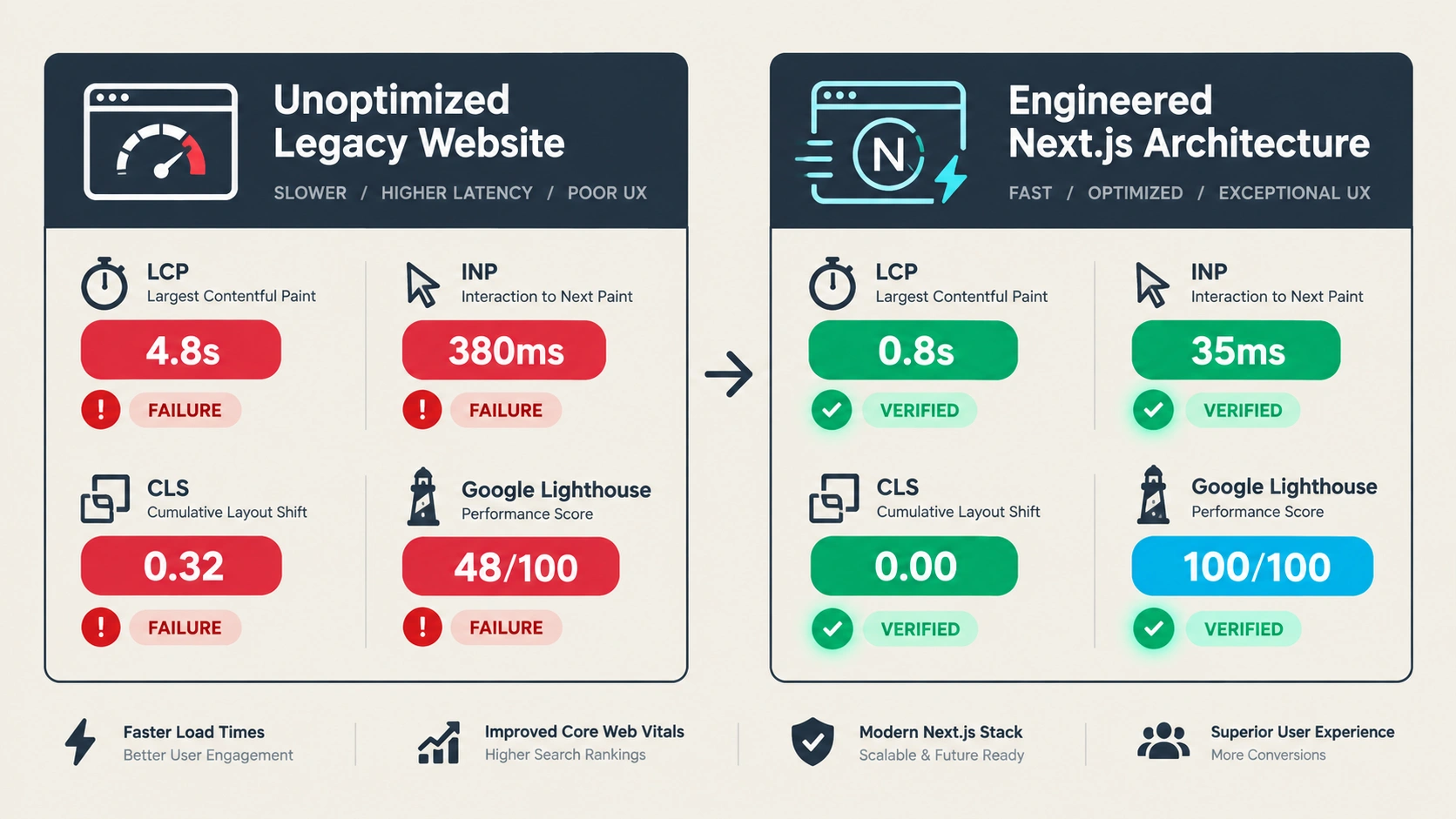
Figure 2: Performance Audit: Bloated Legacy Website vs. Engineered Sub-Second Next.js Architecture.
3. Capturing High-Intent Regional Enterprise Market Share Across Bristol
Website performance directly correlates with regional organic discovery. When local searchers query competitive commercial terms across Bedminster (BS3), Redland (BS6), and Clifton (BS8), Googlebot prioritizes web architectures that pass Core Web Vitals with flawless stability.
In addition, generative AI answer engines—such as Perplexity AI and ChatGPT Search—rely on fast, edge-rendered semantic HTML to ingest service offerings. Slow websites that require heavy client-side JavaScript rendering encounter crawler timeouts, causing AI bots to cite faster competitors instead.
Bristol commercial enterprises that re-engineer their platforms for sub-second edge delivery routinely experience a 35% to 65% surge in verified organic inquiries, securing dominant visibility across competitive UK search landscapes.
- Edge CDN caching ensures sub-50ms Time to First Byte (TTFB) across regional UK internet providers
- Perfect Core Web Vitals insulate commercial domains against algorithmic core update fluctuations
- Deliver instantaneous edge-rendered HTML to secure top citation probability across AI answer engines
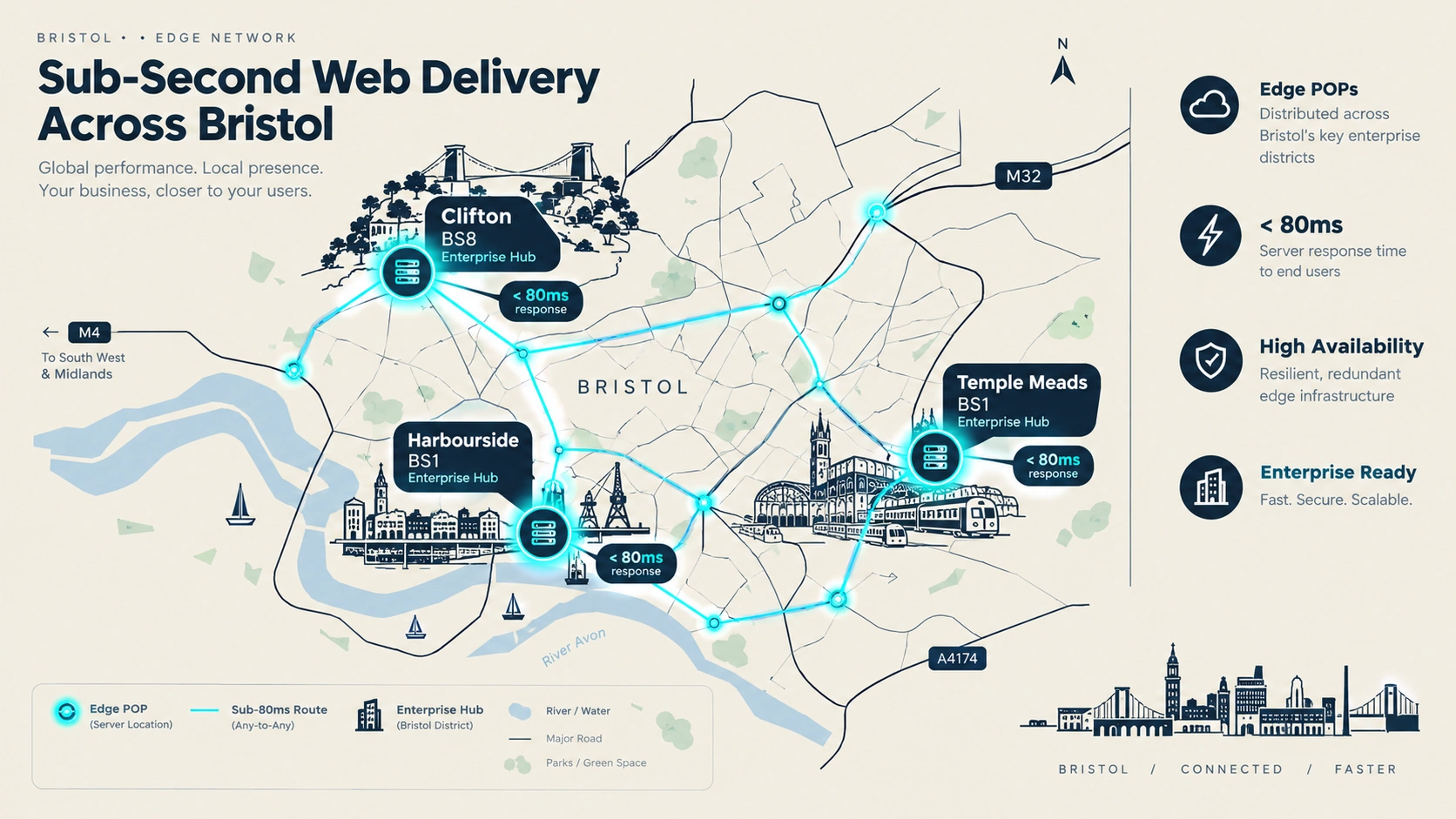
Figure 3: Bristol Edge Caching & Sub-Second Latency Delivery Mesh across Enterprise Corridors.
| Unoptimized Legacy Website | IT TEC SOLUTION Sub-Second Edge Architecture |
|---|---|
| Largest Contentful Paint (LCP) between 3.5s and 6.0s | Sub-second LCP (0.8s - 1.2s) delivered instantly via edge CDNs |
| High Interaction to Next Paint (INP > 250ms) input lag | Ultra-responsive INP under 40ms with zero main-thread locking |
| Noticeable Cumulative Layout Shift (CLS > 0.25) | Zero visual shifts (CLS = 0.0) with pre-computed media aspect ratios |
| Heavy multi-megabyte JPEG/PNG images wasting data | Automated WebP/AVIF responsive pipelines optimized for mobile |
| Failing Google Core Web Vitals and losing search ranks | 100/100 Google Lighthouse score and dominant organic ranking signals |
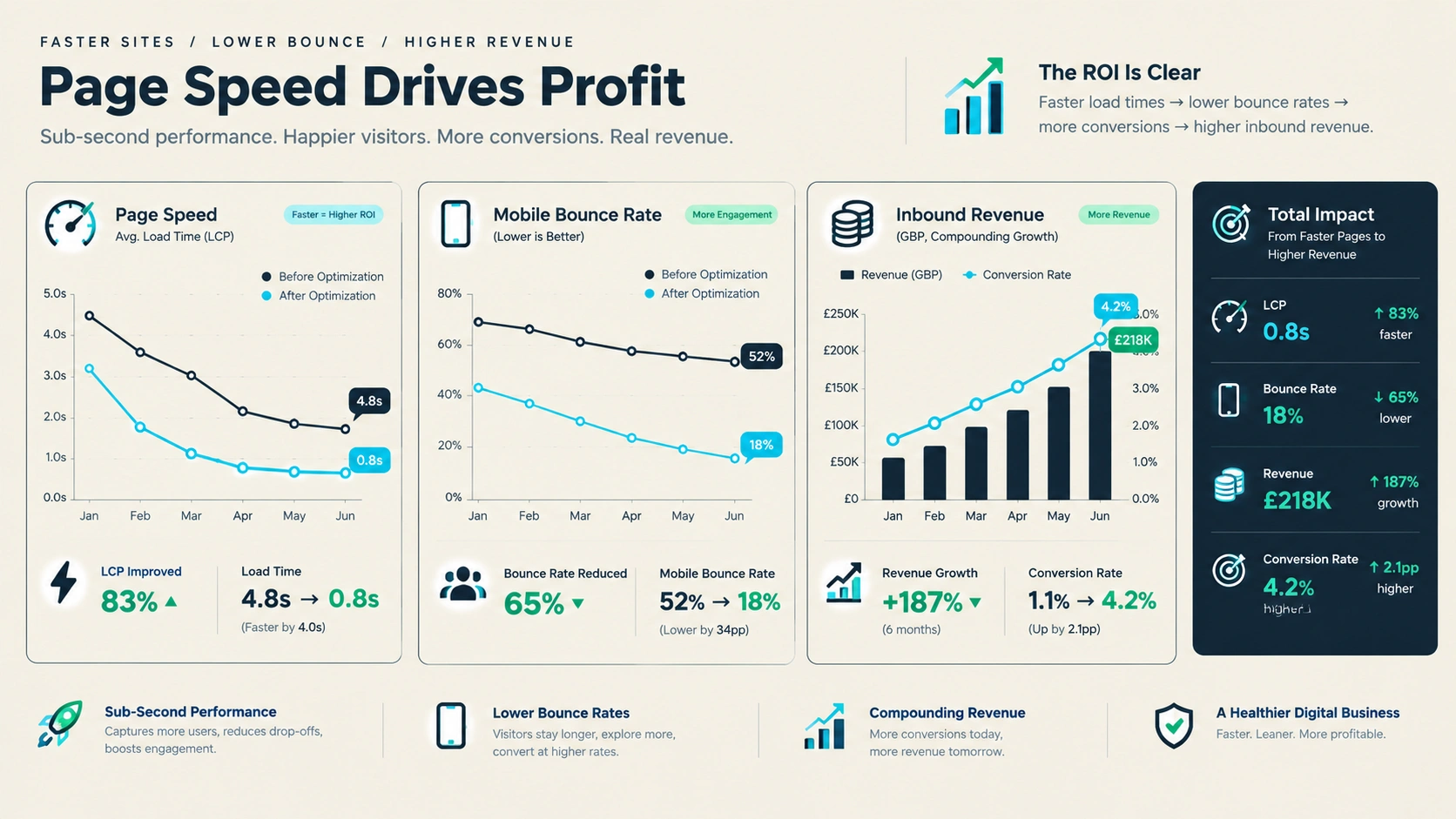
Figure 4: Commercial Lead Attribution & Compounding Revenue Model for Bristol Businesses.
Related Search Engineering Guides
Frequently Asked Questions About Search Architecture
What are Google Core Web Vitals and why do they matter for Bristol businesses?
Core Web Vitals are Google's official speed and usability metrics: Largest Contentful Paint (loading speed), Interaction to Next Paint (interactivity responsiveness), and Cumulative Layout Shift (visual stability). Passing them is a confirmed ranking factor in Google Search.
How does website speed affect mobile conversion rates?
Studies consistently demonstrate that every 100ms improvement in website speed increases conversion rates by up to 8%. Sub-second load times reduce bounce rates and instill immediate corporate trust in prospective clients.
What is the difference between WebP and AVIF image formats?
AVIF is a next-generation image codec that offers approximately 20% to 30% better compression than WebP with higher visual fidelity. Pairing modern Next.js responsive pipelines with AVIF and WebP drastically cuts page weight.
Why is Interaction to Next Paint (INP) critical for enterprise lead forms?
INP measures how quickly a page responds when a user clicks a button, menu, or form field. If main-thread JavaScript freezes input for over 200ms, users assume the site is broken and abandon high-intent inquiries.
How long does a full Core Web Vitals optimization take to reflect in Google rankings?
Google measures Core Web Vitals using a rolling 28-day Chrome User Experience Report (CrUX) collection window. Once fixes are deployed to production, official GSC green pass status and ranking lifts typically appear within 3 to 4 weeks.
Arghya Mitra
Lead Technical Architect & SEO DirectorFounder and Senior Architect at IT TEC SOLUTION. With extensive full-stack Next.js engineering and search architecture experience, he designs sub-second systems and local revenue engines for high-growth UK businesses.
Ready to Win Real High-Intent Leads in Bristol?
Work directly with our senior engineering team — no middleman markups, no account managers. Let's build your sub-second Next.js website and dominate modern search engines.