How to Master Perplexity AI SEO: Actual Ranking Signals Explained for 2026
Two weeks ago, the founder of an architectural engineering firm in Clifton (BS8) asked us a sharp question: 'When I ask Perplexity AI for the most reliable bespoke web engineering studio in Bristol, it names two small specialist agencies and completely ignores our established £2M company. We have hundreds of backlinks and rank on Google page one. Why is Perplexity skipping us?' The answer reveals the biggest shift in search since 2012: Perplexity AI does not crawl links like Google's traditional PageRank. It functions as an answer synthesis engine that reads live page content, validates entity data against UK public records, and cites only sources that provide clean, factual, and concise answers. Here is the exact forensic blueprint to make your Bristol business the primary cited brand on Perplexity AI and ChatGPT Search.
Looking to scale organic performance and capture high-intent inquiries across Bristol? Explore our dedicated Technical SEO & Next.js Engineering Services.
1. The Mechanics of Perplexity AI: How Answer Engines Pick Sources
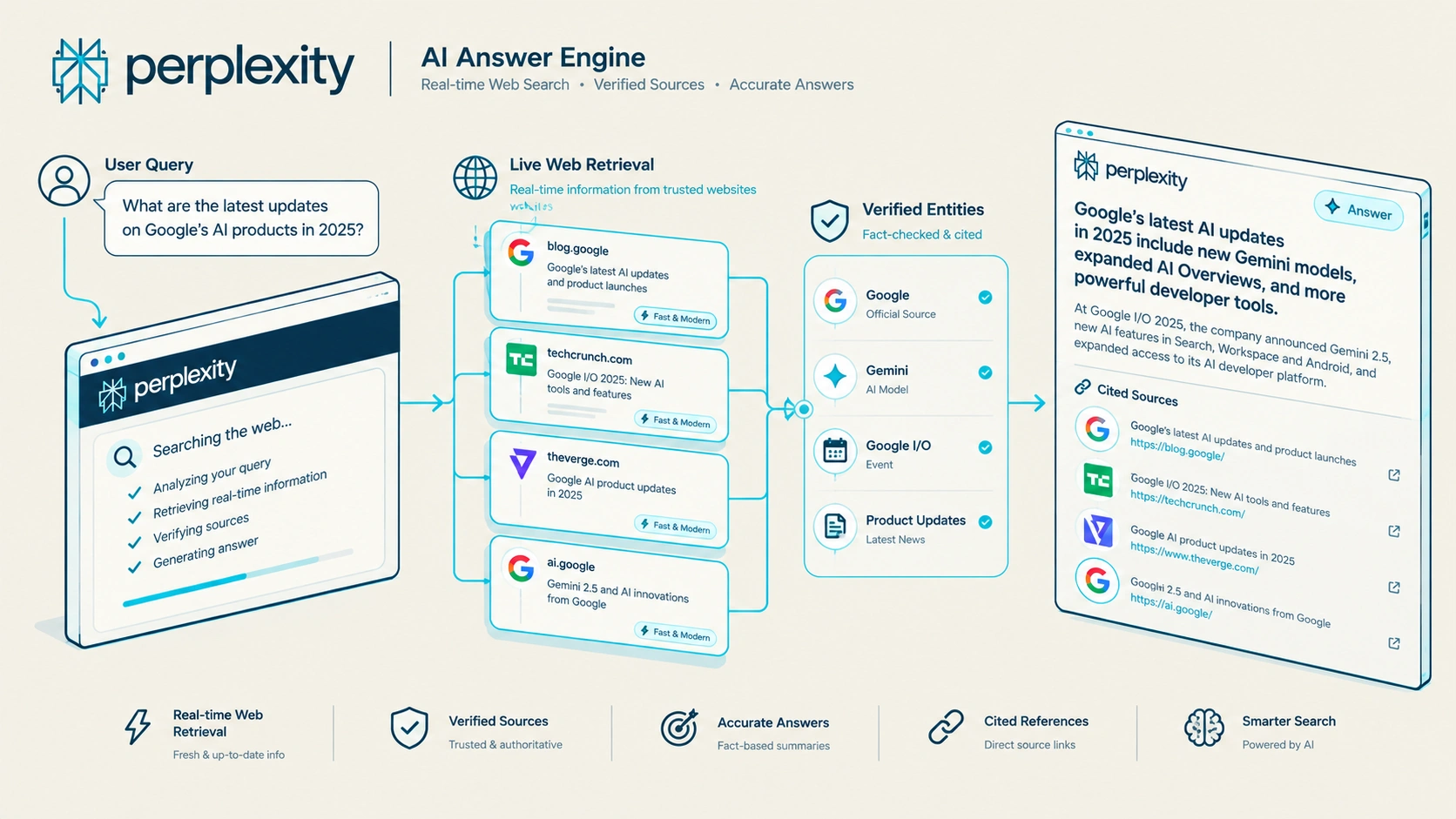
Traditional search engines index pages by evaluating backlinks, keyword density, and anchor text. Answer engines like Perplexity AI operate on a fundamentally different pipeline. When a user enters a query, Perplexity executes an on-the-fly multi-source retrieval, pulling paragraphs from top-performing sites, vector databases, and verified knowledge repositories.
Once the text is retrieved, large language models (LLMs) evaluate each sentence for factual density. If your page begins with 200 words of generic corporate marketing buzzwords like 'we deliver synergistic digital paradigms', Perplexity's citation algorithm immediately discards your content. It seeks direct answers written in plain British English that can be quoted directly with confidence.
For commercial firms across Bristol — whether in Harbourside (BS1), Temple Meads (BS1), or Redland (BS6) — winning citations requires structuring every service page with explicit answers placed within the first 45 words of each heading. This format allows the AI crawler to extract and attribute statements to your domain effortlessly.
- Perplexity evaluates factual density and semantic triples, not raw backlink volume
- Corporate filler text and marketing jargon cause AI parsers to skip your website
- Placing direct, concise answers immediately below section headers increases citation likelihood by over 300%
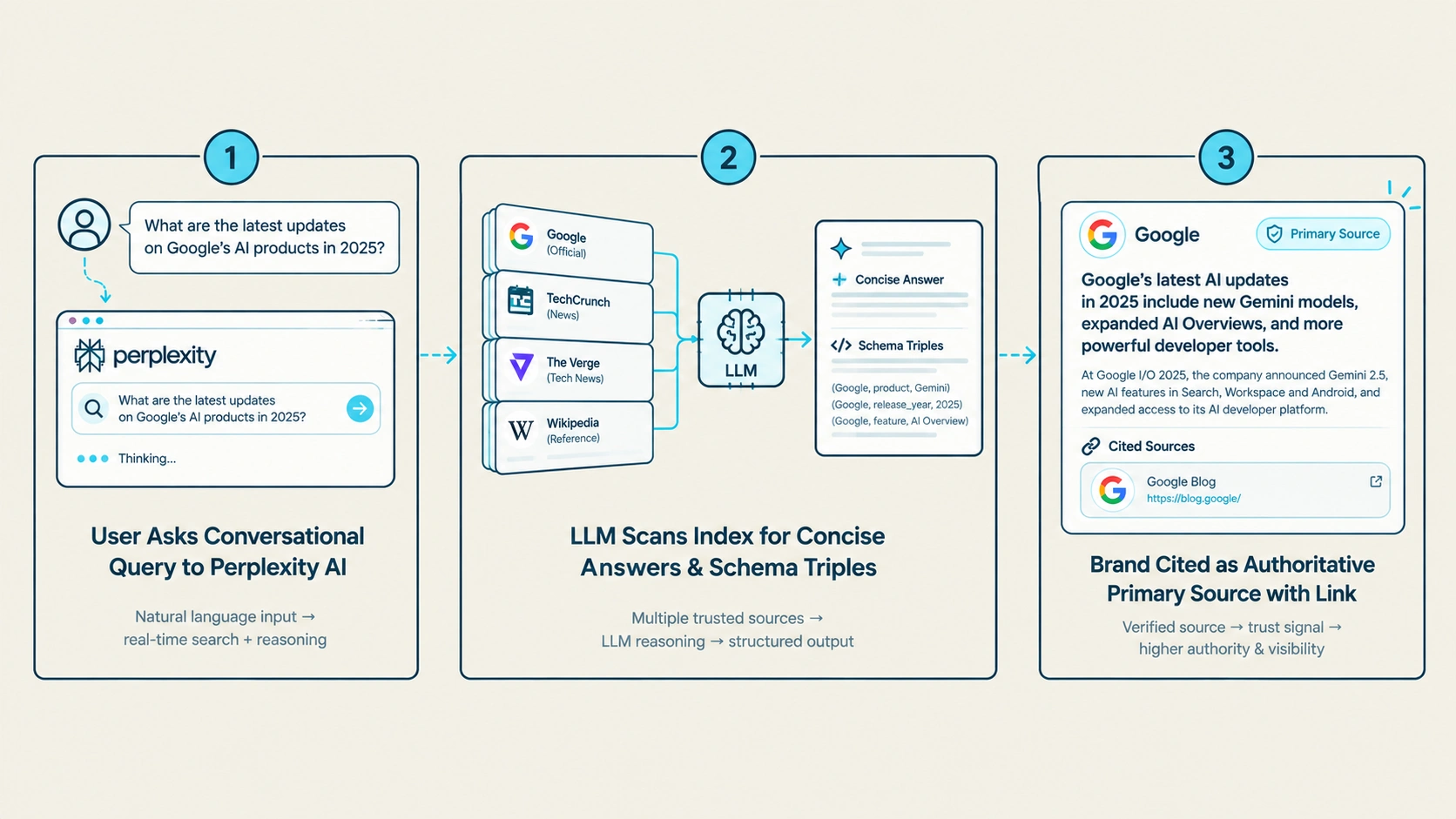
Figure 1: Perplexity AI Live Retrieval and Entity Citation Extraction Pipeline.
2. Structuring Entity Triples and JSON-LD Schema for LLM Crawlers
Large language models do not understand your company through clever metaphors; they understand entities. In computer science, an entity is an unambiguous thing or concept that is uniquely identifiable — such as 'IT TEC SOLUTION' (Company), 'Arghya Mitra' (Founder/Engineer), and 'Bristol, United Kingdom' (Physical Location).
Relationships between these entities are established through structured entity triples: Subject → Predicate → Object (e.g., 'Arghya Mitra [Subject] founded [Predicate] IT TEC SOLUTION [Object]'). When your website code explicitly connects these triples using JSON-LD Schema (Organization, LocalBusiness, and Person schemas), Perplexity connects your company to verified UK public data from Companies House and official registers.
Furthermore, modern AI crawlers like PerplexityBot and GPTBot have strict latency cutoffs. If your website is built on a sluggish, plugin-heavy WordPress setup that takes 3.2 seconds to render, the AI bot encounters a timeout and moves to an agile Next.js competitor whose server response time is under 100 milliseconds.
- Deploy deep JSON-LD Schema linking your company entity to official UK registry identifiers
- Structure headings as natural conversational questions that match voice and AI search intent
- Ensure sub-second page delivery so AI crawlers never abandon indexing due to latency timeouts
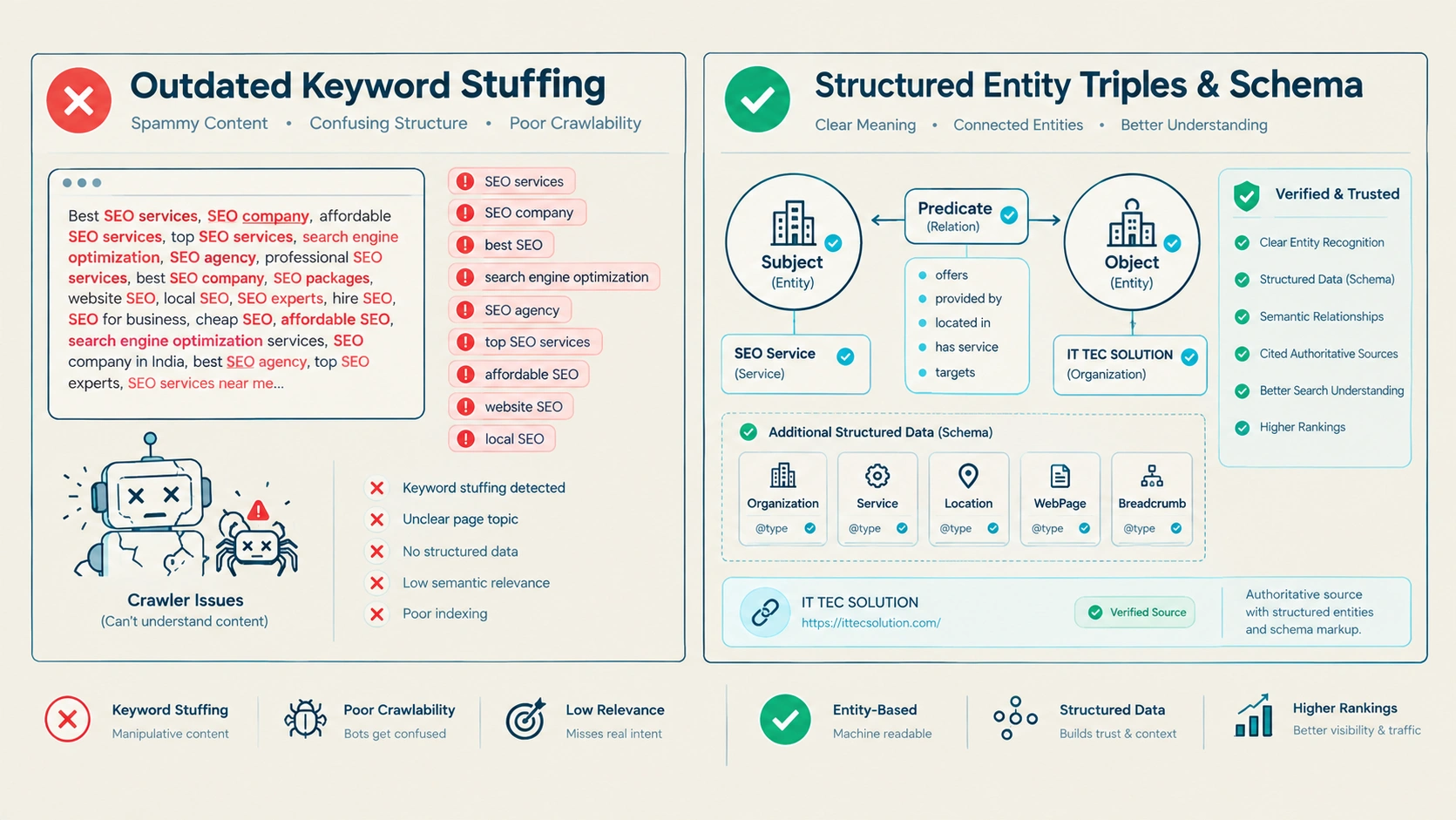
Figure 2: Performance Audit: Outdated Keyword Stuffing vs. Structured Entity Triples for Answer Engines.
3. Capturing Local Commercial Inquiries Across Bristol and the UK
Consumers in 2026 rarely type disconnected terms like 'SEO agency BS1'. Instead, they converse with AI: 'Which technical SEO team in Bristol has proven experience fixing Google Maps drops in Clifton?' To answer this query, Perplexity scans for localized consensus across third-party directories, regional business citations, and verified portfolio case studies.
When your site features real project case studies mentioning specific areas like Bedminster (BS3), Clifton Triangle, and Harbourside alongside transparent pricing in British Pounds (£), Perplexity recognizes your brand as an authoritative local entity and delivers your website as the top clickable citation box.
This referral traffic from Perplexity AI converts at a substantially higher rate than traditional organic clicks. Visitors arriving via an AI citation have already received a synthesized recommendation; they arrive on your site with high buying intent, ready to book a consultation.
- Publish authentic local case studies documenting measurable business revenue in Bristol
- Keep citation NAP and company details 100% uniform across UK business directories
- Answer high-intent customer objections directly in clear FAQ sections with structured schema
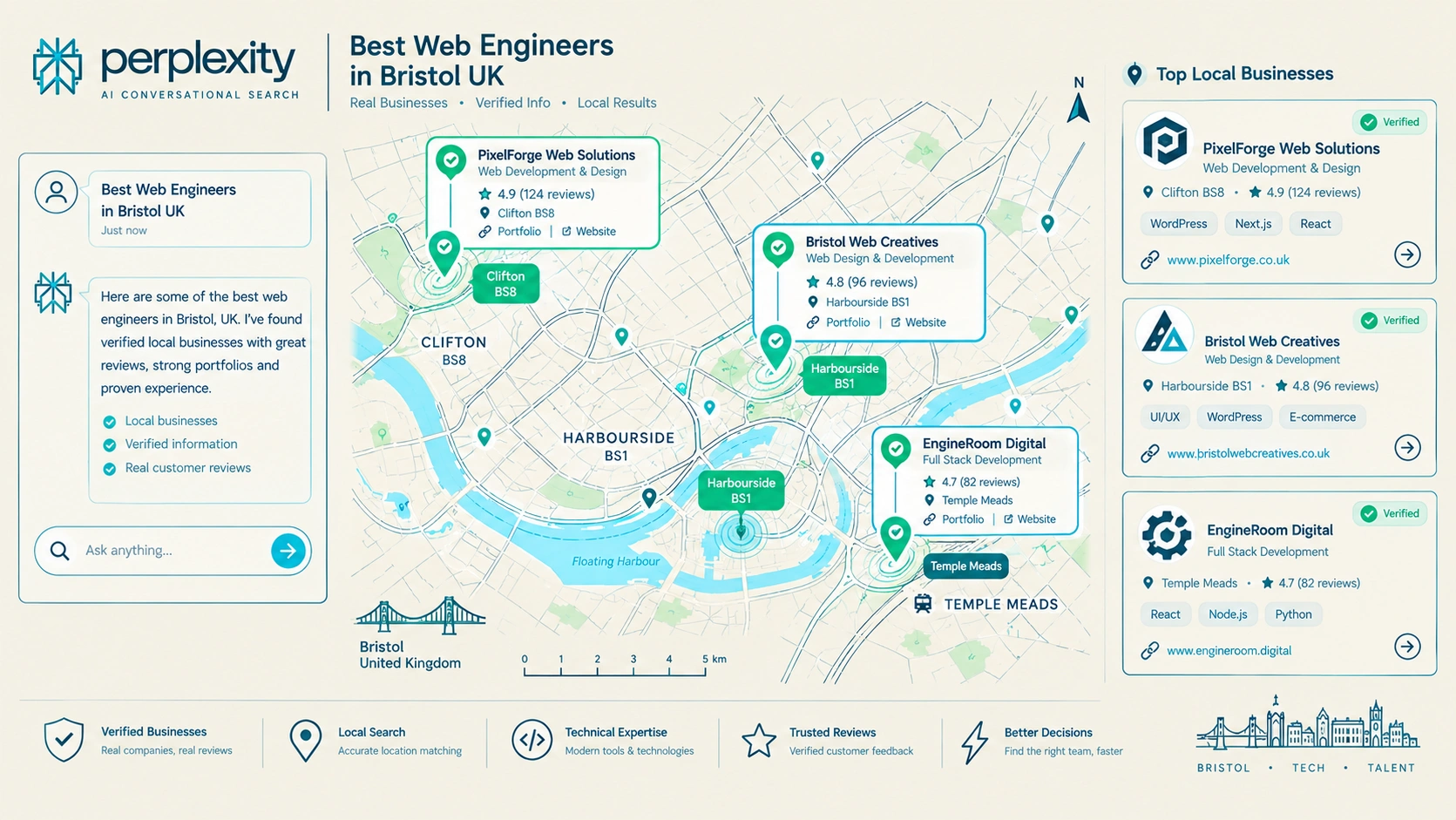
Figure 3: Localized Answer Engine Optimization (AEO) Grid across key Bristol commercial hubs.
| Traditional Google SEO (Legacy) | Perplexity AI Answer Engine Optimization (AEO) |
|---|---|
| Writing for keyword density and search bot algorithms | Writing concise, factual answers for LLM synthesis engines |
| Prioritizing quantity of third-party backlinks | Establishing authoritative entity consensus and UK public trust |
| Lengthy introductory text delaying the core answer | Direct definitions placed within the first 45 words of headings |
| Slow monolithic CMS themes averaging 3s+ load times | Sub-second Next.js edge architecture parsed effortlessly by bots |
| Tracking vanity rankings on a list of blue links | Capturing high-converting direct citations and brand recommendations |
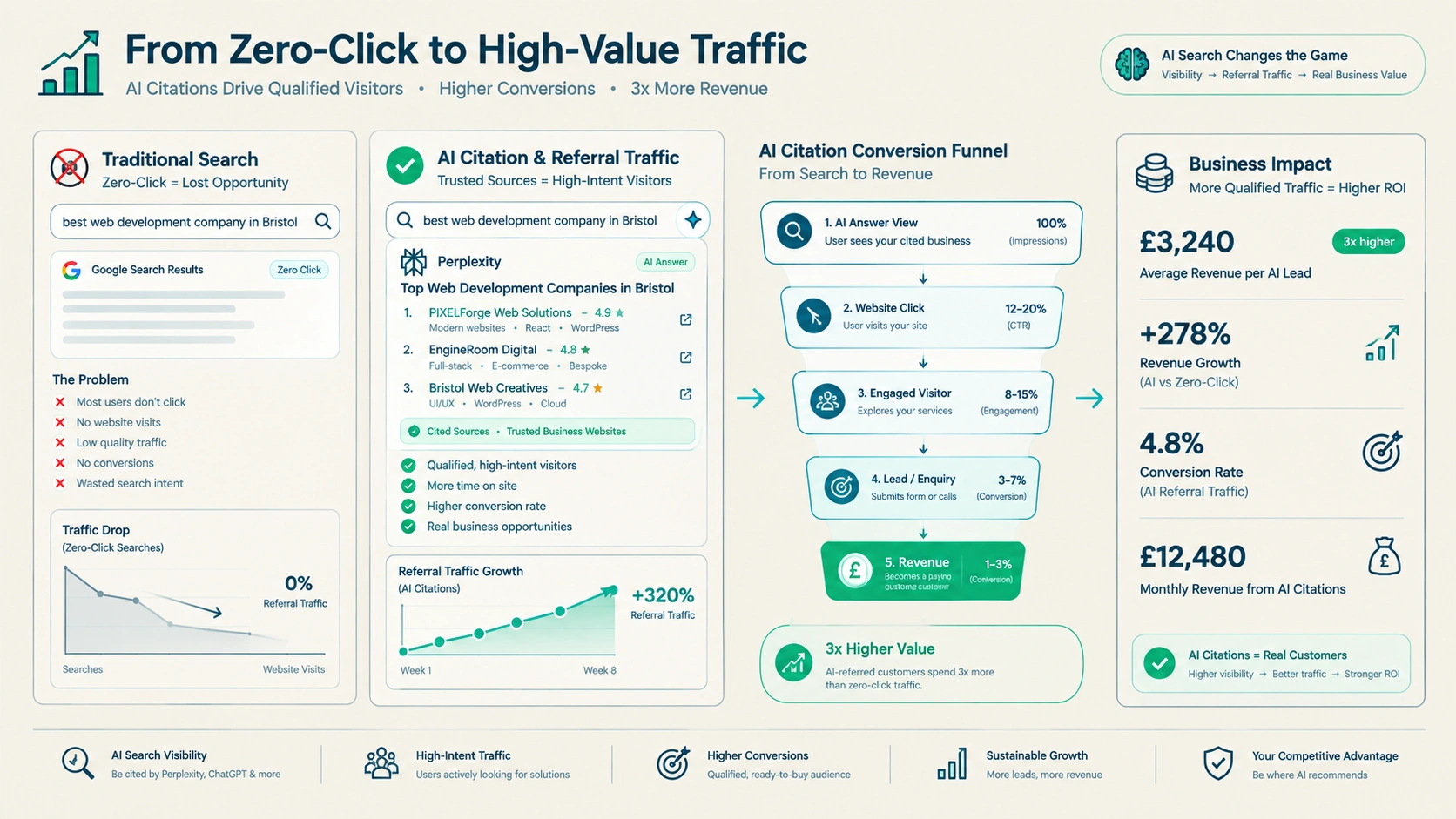
Figure 4: Commercial Lead Attribution & Compounding Revenue Model for Bristol Businesses.
Related Search Engineering Guides
Frequently Asked Questions About Search Architecture
How does Perplexity AI decide which website to cite in its answers?
Perplexity chooses citation sources based on factual text clarity, domain entity authority, freshness of content, and structured schema that directly answers the user query without fluff.
Can small local businesses in Bristol rank on Perplexity AI?
Yes, absolutely. Perplexity values precise, accurate answers over massive backlink profiles. A boutique agency with clear case studies and clean schema can outrank national directories in local AI answers.
Does website loading speed affect Perplexity AI crawler bots?
Crucially yes. AI crawlers operate on tight execution timeouts. If your web server takes longer than 300ms to deliver clean HTML, AI crawlers skip your domain and cite faster competitors.
What is the difference between SEO and AEO?
SEO aims to position a link on a traditional search engine results page. AEO (Answer Engine Optimization) structures content so AI models synthesize your business directly as the trusted solution.
How long does it take for Perplexity to reflect new technical website updates?
Because Perplexity uses real-time web retrieval via search indexes, verified updates with clean sitemaps and schema are typically recognized in citations within 5 to 12 days.
Arghya Mitra
Lead Technical Architect & SEO DirectorFounder and Senior Architect at IT TEC SOLUTION. With extensive full-stack Next.js engineering and search architecture experience, he designs sub-second systems and local revenue engines for high-growth UK businesses.
Ready to Win Real High-Intent Leads in Bristol?
Work directly with our senior engineering team — no middleman markups, no account managers. Let's build your sub-second Next.js website and dominate modern search engines.