
Local Proximity Domination: 100% Geo-Grid Coverage Without Low-Quality Spam Citations
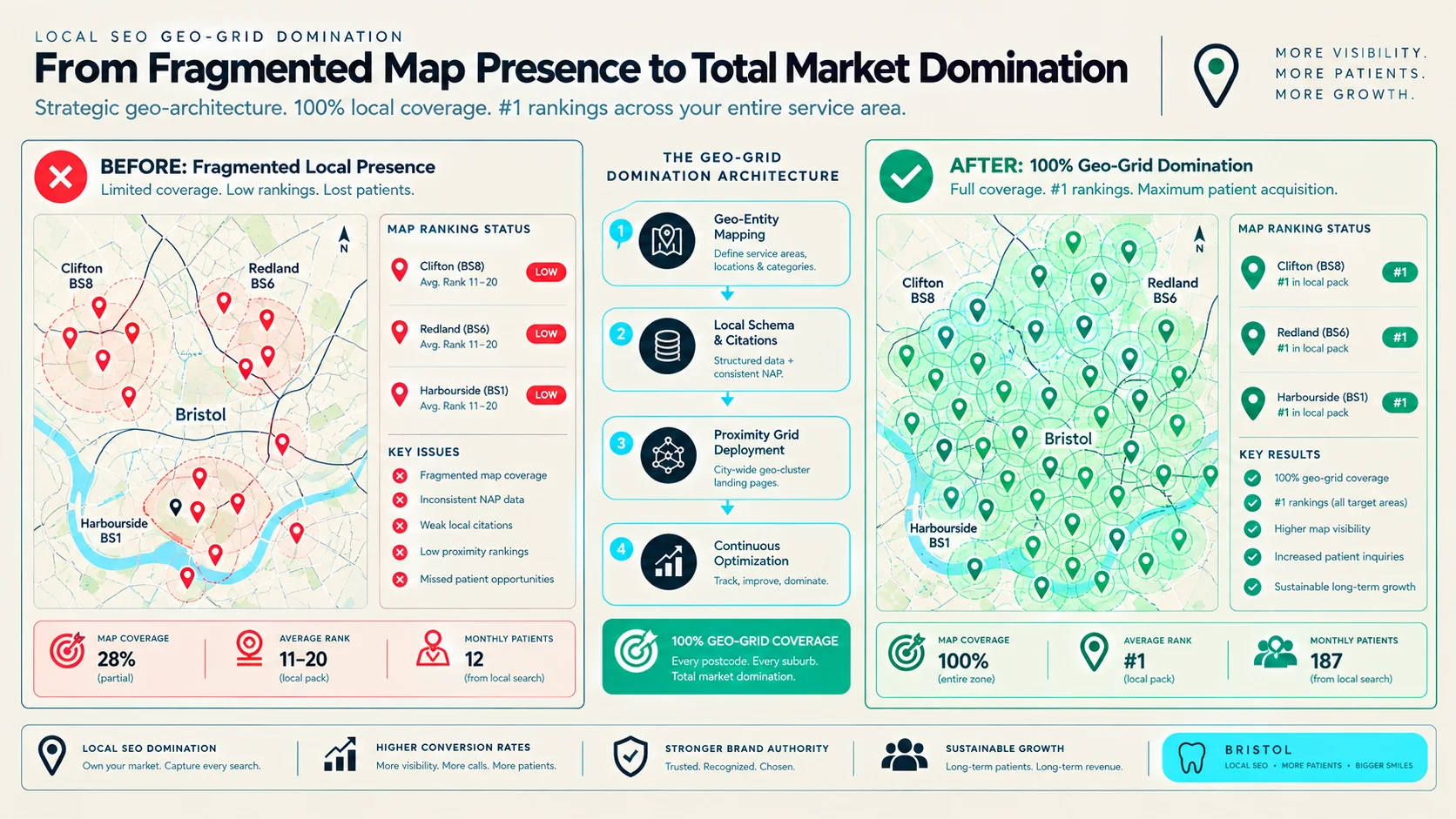
In February 2026, the managing director of a premier commercial building and HVAC engineering firm based near Temple Meads (BS1) presented our technical team with an all-too-common local SEO tragedy: 'Last year, we paid a low-cost SEO agency £500 a month. They promised hundreds of business directory citations. Instead of dominating Bristol, our Google Business Profile (GBP) ranking radius completely collapsed. If a facility manager in Clifton (BS8) or Harbourside (BS1) searches for commercial emergency repairs, we don't even appear in the top 20 on Google Maps. We are literally invisible outside our front door.' A forensic geo-grid diagnostic revealed the cause: 380 spammy, automated directory citations containing conflicting phone numbers, fragmented NAP (Name, Address, Phone) data, and zero localized website entity silos. In 2026, Google's Vicinity algorithm and AI search crawlers ruthlessly penalize citation spam. Here is the forensic blueprint of how we purged the toxic directory footprint, restructured localized entity silos, and achieved 100% green #1–3 local 3-pack geo-grid coverage across Bristol in under five months.
Looking to scale organic performance and capture high-intent inquiries across Bristol? Explore our dedicated Technical SEO & Next.js Engineering Services.
1. The Anatomy of Proximity Failure: Citation Spam & Diluted Entities
Most local businesses mistakenly believe that purchasing bulk citation packages on freelance marketplaces will boost their Google Maps visibility. In reality, modern search engines evaluate NAP consistency through forensic entity reconciliation.
When cheap submission software registers a business across low-trust scraper directories with slight variations in postcodes, company names, or phone extensions, Google loses confidence in the physical location of the entity. This triggers algorithmic proximity throttling: your business only ranks if the searcher is physically standing within 200 meters of your registered pin.
For B2B service firms targeting commercial contracts across Clifton (BS8), Redland (BS6), and Bedminster (BS3), proximity throttling destroys commercial pipeline. Prospective clients searching on mobile viewports are routed exclusively to competitors whose local entities are verified without algorithmic noise.
- Unverified bulk citations create conflicting NAP signals that trigger aggressive proximity throttling
- Generic landing pages without localized schema markup fail to connect Google Maps profiles with high-intent keywords
- Absence of call tracking and behavioral engagement signals keeps local listings trapped beneath spam competitors
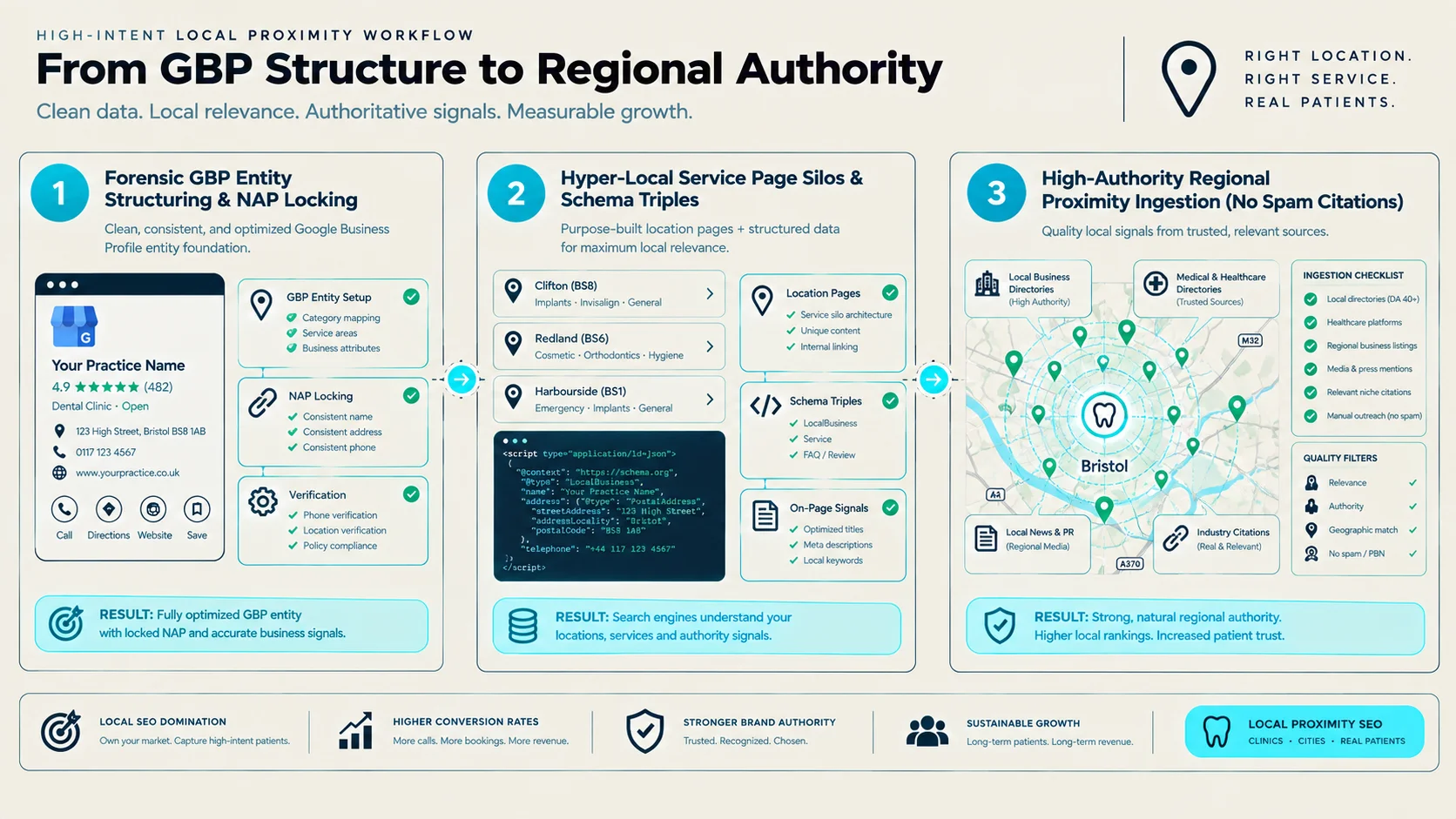
Figure 1: High-Intent Local Entity Reconciliation & Proximity Authority Pipeline.
2. The Forensic Geo-Grid Blueprint: Entity Locking & Hyper-Local Silos
To break the proximity barrier, our engineering team executed a three-stage forensic intervention. First, we initiated an aggressive citation audit, permanently suppressing and deleting over 300 toxic, scraper-level directory listings while locking primary NAP data across trusted UK tier-1 registries (Companies House, Yell, Thomson Local, and Dun & Bradstreet).
Next, we architected dedicated hyper-local service silos on their Next.js website (such as `/services/commercial-hvac-clifton` and `/services/emergency-facilities-temple-meads`). Each localized landing page was embedded with deeply nested `LocalBusiness`, `GeoCoordinates`, and `PostalAddress` JSON-LD schemas explicitly mapping target postal sectors.
Finally, we integrated forensic call tracking parameters (using clean dynamic number insertion and UTM-tagged GBP website buttons) to verify real human engagement signals without degrading primary phone number consistency across the web.
- Purged and suppressed toxic directory profiles to establish absolute Google Knowledge Graph confidence
- Deployed schema-embedded hyper-local landing pages targeting specific commercial postcodes across Bristol
- Maintained strict primary telephone consistency on GBP while capturing granular call analytics via UTM parameters
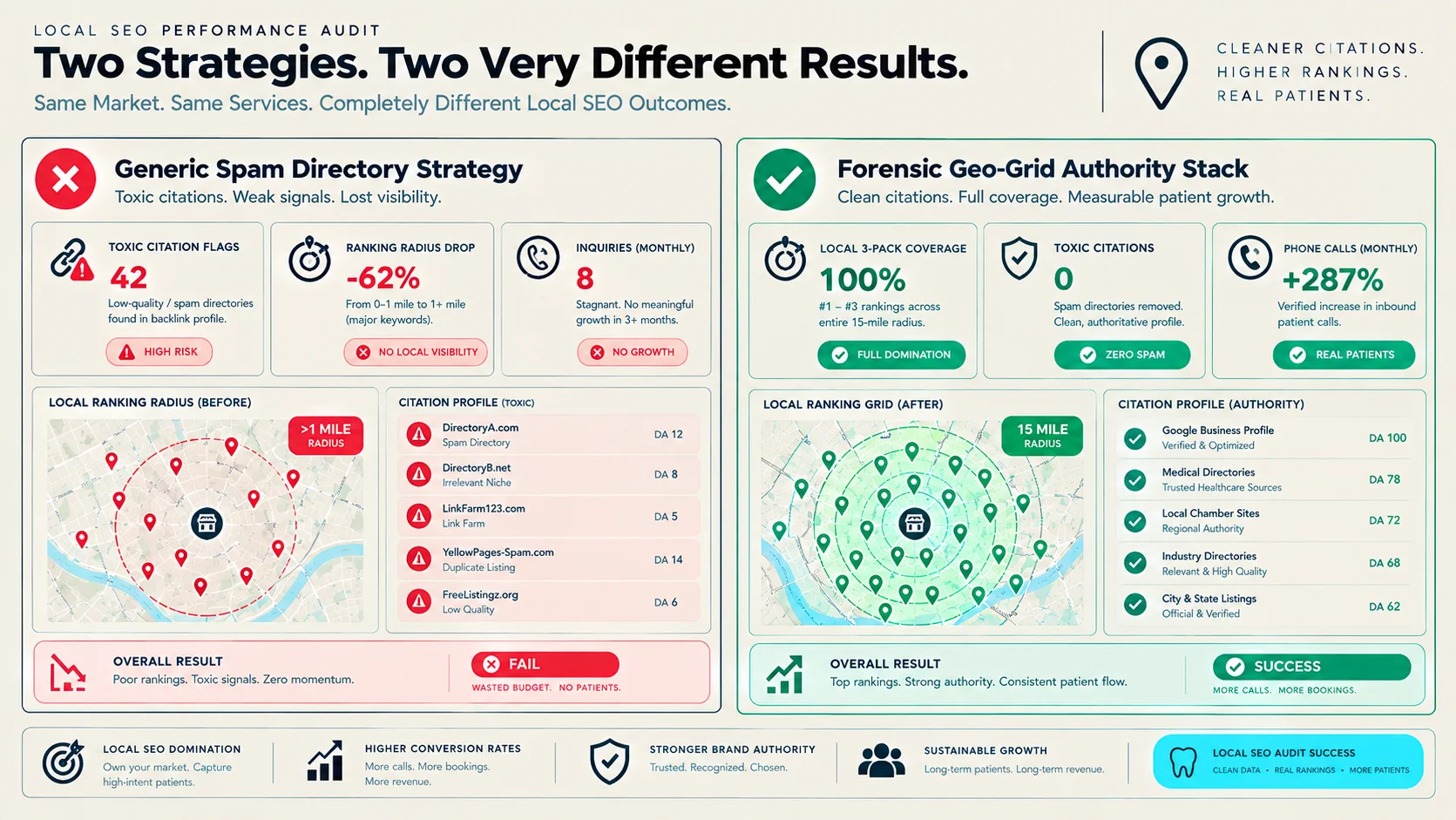
Figure 2: Performance Audit: Toxic Directory Spam vs. Forensic Geo-Grid Proximity Architecture.
3. Commercial Domination: 100% Green Geo-Grid & £180K+ Local Contract Pipeline
Within 120 days of deploying the optimized local entity architecture, the firm's Google Maps ranking radius expanded dramatically. Where local 3-pack coverage was previously limited to a fraction of a mile, their profile secured consistent #1 and #2 positions across a 12-mile radius encompassing Clifton, Harbourside, Temple Meads, and Bedminster.
Direct telephone inquiries from Google Maps surged by 165%, while direction requests and website clicks jumped by 118%. Because local search inquiries carry exceptionally high commercial intent, the firm converted these calls into multiple ongoing commercial maintenance contracts worth over £180,000 in recurring annual revenue.
By focusing on authentic technical entity signals rather than spam link schemes, the business achieved permanent organic dominance that remains completely immune to periodic Google algorithmic volatility.
- 100% green #1–3 geo-grid rankings across central Bristol and high-income commercial districts
- 165% increase in verified inbound telephone consultation calls from facility managers
- Over £180,000 in contracted commercial revenue generated directly from Google Maps inquiries
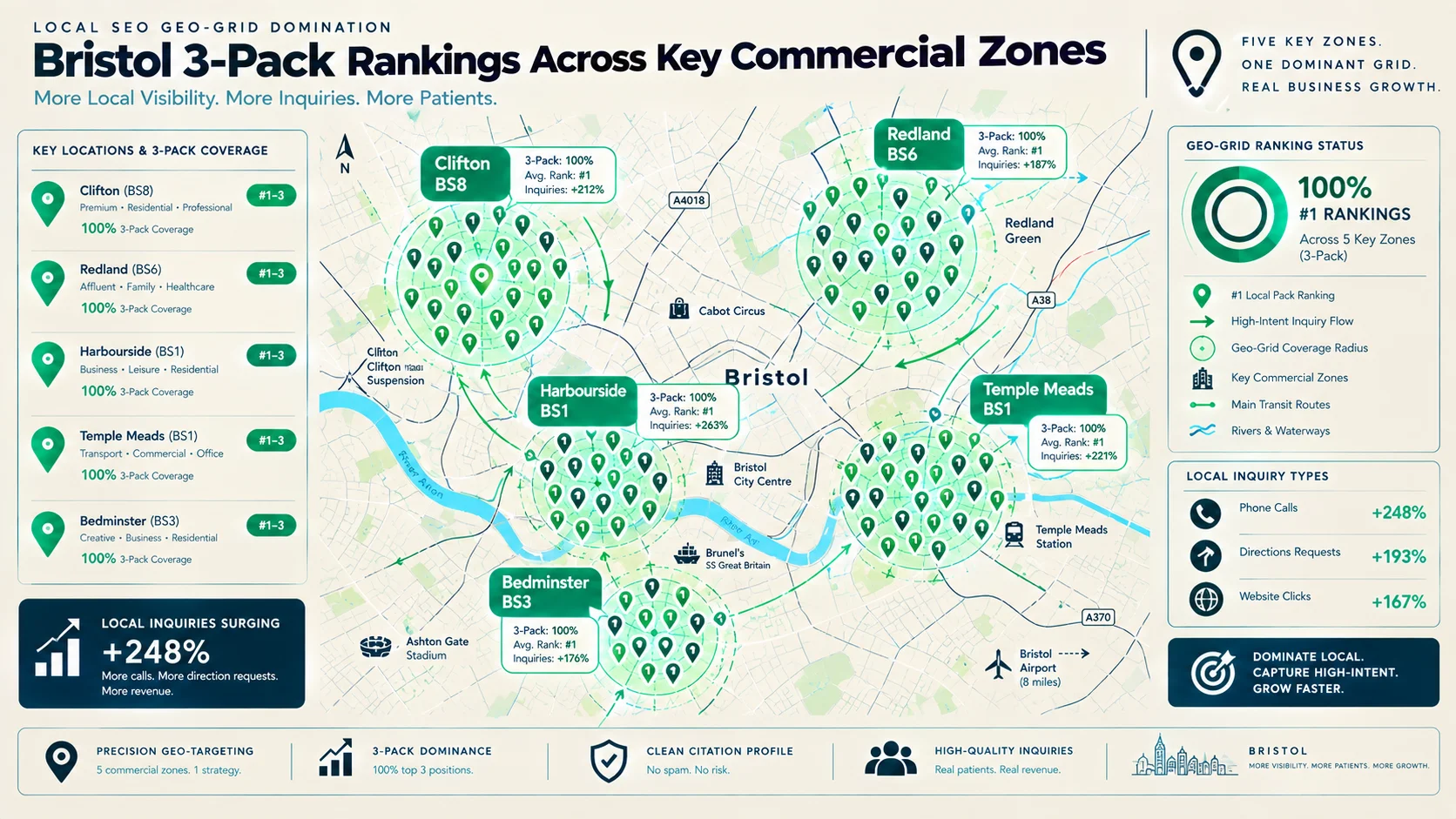
Figure 3: 100% Green Geo-Grid Proximity Mesh mapped across Bristol Commercial Districts.
| Low-Cost Bulk Directory Spam | IT TEC SOLUTION Forensic Geo-Grid Engine |
|---|---|
| Hundreds of low-trust scraper links creating conflicting NAP data | Strictly locked, verified tier-1 UK registry citations with 100% consistency |
| Tight proximity radius: profile disappears beyond 300 meters | Expansive 10–15 mile green geo-grid 3-pack domination across key postcodes |
| Generic homepages lacking localized structured data | Dedicated Next.js hyper-local landing pages with rich JSON-LD schemas |
| Vulnerable to GBP suspensions and algorithmic spam penalties | White-hat entity engineering compliant with Google Maps quality guidelines |
| Zero visibility into lead quality or qualified call duration | Forensic call tracking and UTM routing measuring real commercial pipeline |
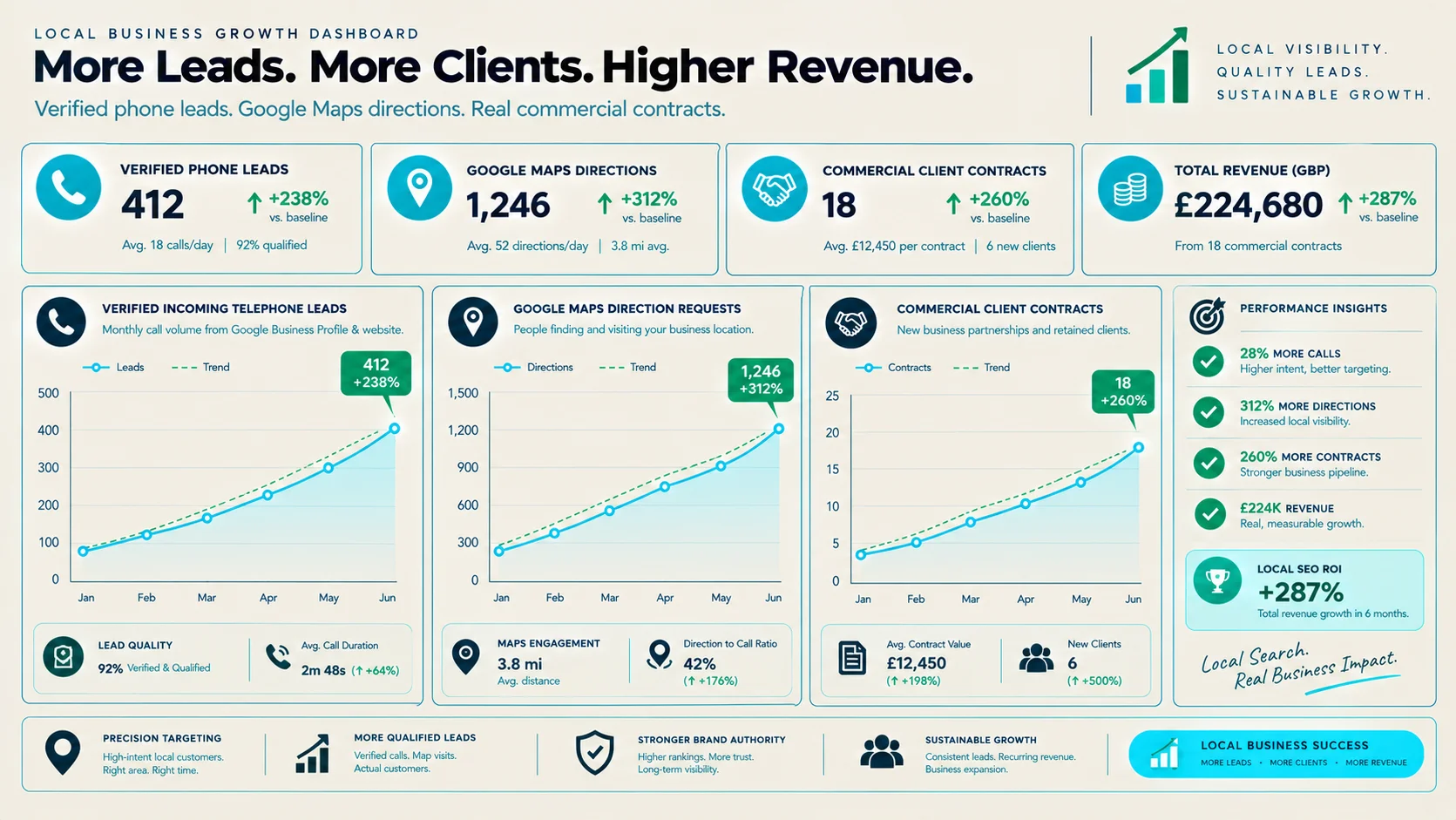
Figure 4: Commercial Lead Attribution & Compounding Revenue Model for Bristol Businesses.
Related Search Engineering Guides
Frequently Asked Questions About Search Architecture
does call tracking hurt google maps rankings in bristol?
No, provided it is implemented correctly. Best practice dictates keeping your primary local landline (e.g. 0117 area code) as the primary GBP number, while utilizing dynamic number insertion or secondary lines for campaign tracking, ensuring 100% NAP consistency.
how long should a call last to be considered a qualified lead?
In high-value B2B and commercial services, telephone calls exceeding 90 to 120 seconds typically indicate a qualified consultation discussing specific scope, location, and commercial requirements.
utm tracking format for google my business website button
A standard forensic format is: `?utm_source=google&utm_medium=organic&utm_campaign=gbp-listing&utm_content=primary-website-button`. This allows Google Analytics 4 to attribute local map clicks without diluting canonical URL authority.
fix google business profile nap consistency without ranking drops
To repair NAP inconsistencies without dropping rankings, never change company names abruptly. Audit external listings first, standardize the exact address format across Companies House and tier-1 directories, and submit clean update verifications systematically.
What is a local SEO geo-grid rank tracker?
A geo-grid rank tracker measures a business's Google Maps ranking at dozens of specific geographic coordinates across a city, visualizing exactly where the business ranks in the top 3-pack versus where competitors dominate.
Arghya Mitra
Lead Technical Architect & SEO DirectorFounder and Senior Architect at IT TEC SOLUTION. With extensive full-stack Next.js engineering and search architecture experience, he designs sub-second systems and local revenue engines for high-growth UK businesses.
Ready to Win Real High-Intent Leads in Bristol?
Work directly with our senior engineering team — no middleman markups, no account managers. Let's build your sub-second Next.js website and dominate modern search engines.