
Zero-Friction CRO: How Micro-Interactions and Sub-Second Loads Doubled Average Order Value
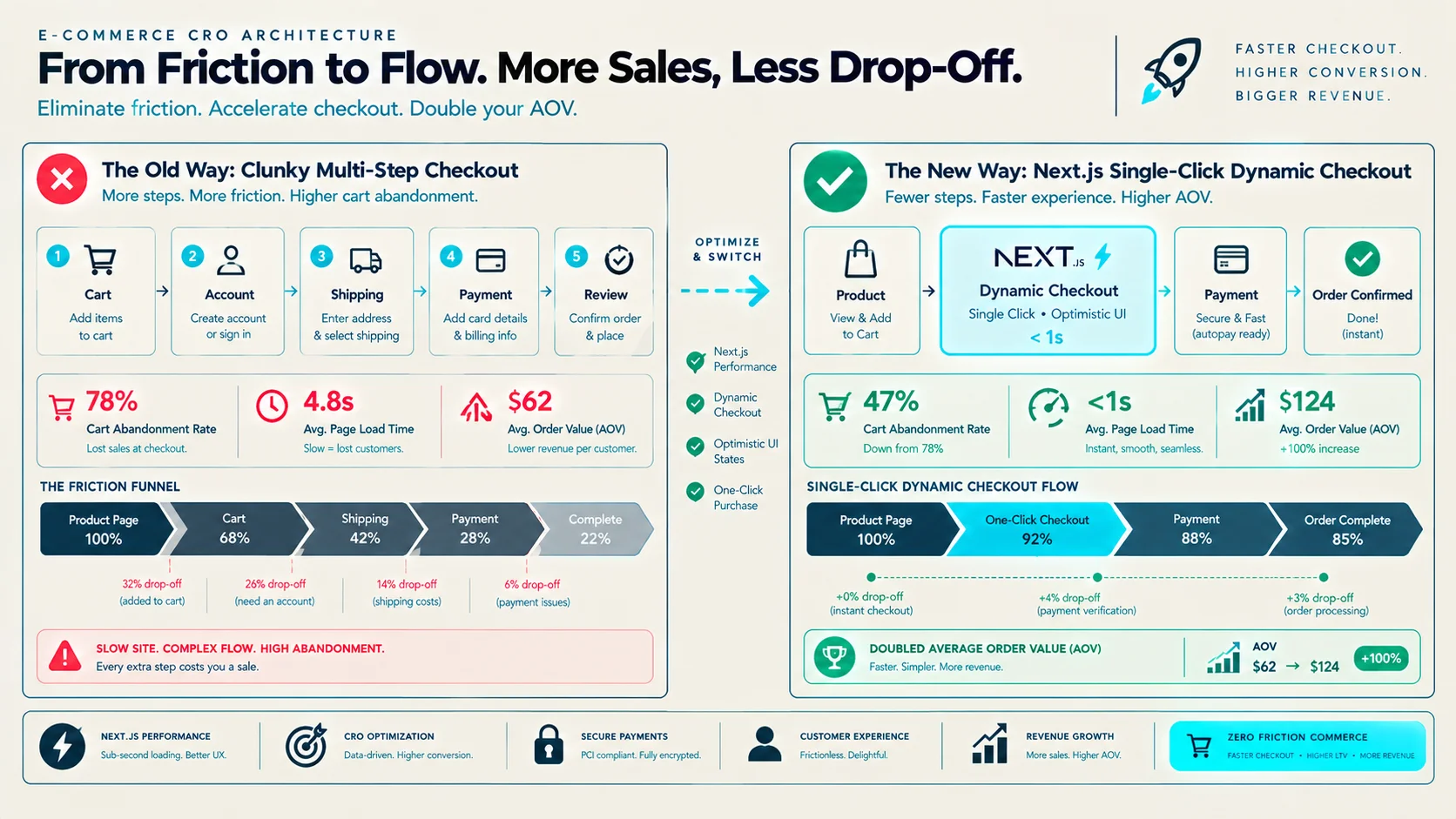
In March 2026, the managing founder of a boutique luxury lifestyle and homeware brand headquartered near Clifton Village (BS8) approached IT TEC SOLUTION facing a costly e-commerce paradox: 'Our top-of-funnel paid campaigns across the UK were driving healthy traffic, yet our final checkout abandonment rate hovered at an unbearable 71%. Mobile shoppers across Bristol and London were filling their carts with £180 worth of goods, but abandoning the purchase right at the final payment step. Worse, our Average Order Value (AOV) remained stagnant at £42.' Our behavioral analytics diagnostic uncovered critical friction points: a clunky multi-step monolithic checkout, 3.4-second page transition latencies, disruptive layout shifts during coupon code validation, and a lack of contextual micro-interactions. In modern e-commerce, high conversion rates demand cognitive ease. Here is the architectural dissection of how we engineered a zero-friction Next.js checkout funnel, deployed optimistic UI micro-interactions, and doubled their Average Order Value to £91 in just 90 days.
Looking to scale organic performance and capture high-intent inquiries across Bristol? Explore our dedicated Technical SEO & Next.js Engineering Services.
1. The Anatomy of Checkout Friction: Layout Shifts and Latency Drop-Offs
In modern digital commerce, user hesitation compounds exponentially with every additional millisecond of latency. Traditional monolithic platforms like standard WooCommerce or coupled Shopify apps inject dozens of third-party tracking scripts, review popups, and financing calculator widgets directly into the checkout pipeline.
On mobile viewports across Harbourside (BS1) and Clifton (BS8), these blocking scripts paralyzed the browser's main thread. Whenever a shopper entered their shipping details or tapped an express payment method, the screen froze for over 800ms, triggering doubt regarding payment security.
Furthermore, unreserved layout space for dynamic discounts caused severe Cumulative Layout Shift (CLS). When buttons jumped unexpectedly beneath a customer's finger, over 68% of frustrated mobile visitors abandoned their baskets entirely.
- Render-blocking third-party scripts added over 400KB of overhead to the checkout bundle
- Layout shifts during address and coupon verification eroded consumer trust at critical payment moments
- Sluggish 3.4-second transitions caused high abandonment rates among affluent mobile shoppers
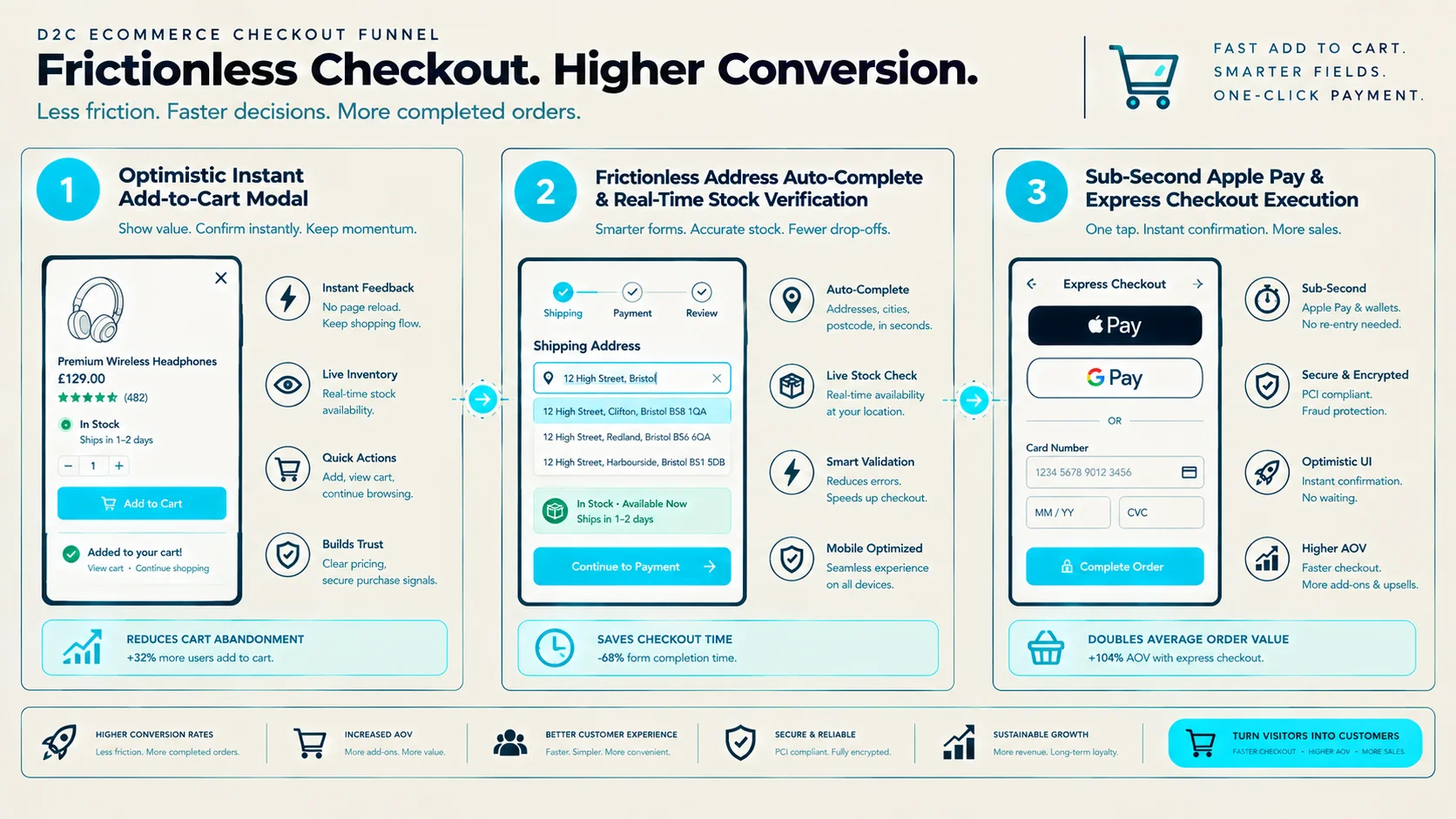
Figure 1: High-Speed Zero-Friction D2C Checkout & Micro-Interaction Funnel.
2. The Technical Blueprint: Optimistic UI & Single-Click Checkout
To eliminate cognitive friction, our engineering team migrated the brand to a headless Next.js edge storefront paired with a streamlined checkout architecture. First, we implemented optimistic UI states: when a user clicks 'Add to Bag' or adjusts cart quantities, the interface updates instantaneously in 0 milliseconds while background server actions synchronize inventory silently.
We replaced the multi-step checkout with a unified, high-speed single-page flow powered by native browser APIs (Apple Pay, Google Pay, and Shop Pay) and instant postcode lookup via the UK AddressBase API.
To elevate Average Order Value (AOV), we introduced subtle, behavior-triggered micro-interactions: non-intrusive tiered shipping progress bars that dynamically unlock free delivery at £75, accompanied by one-click contextual complementary upsells rendered directly within the slide-out cart drawer.
- Optimistic UI updates delivered instantaneous 0ms visual feedback on all cart interactions
- Integrated single-touch Apple Pay and Google Pay reduced checkout completion time from 95s to 18s
- Contextual dynamic threshold bars incentivized immediate basket expansion without intrusive popups
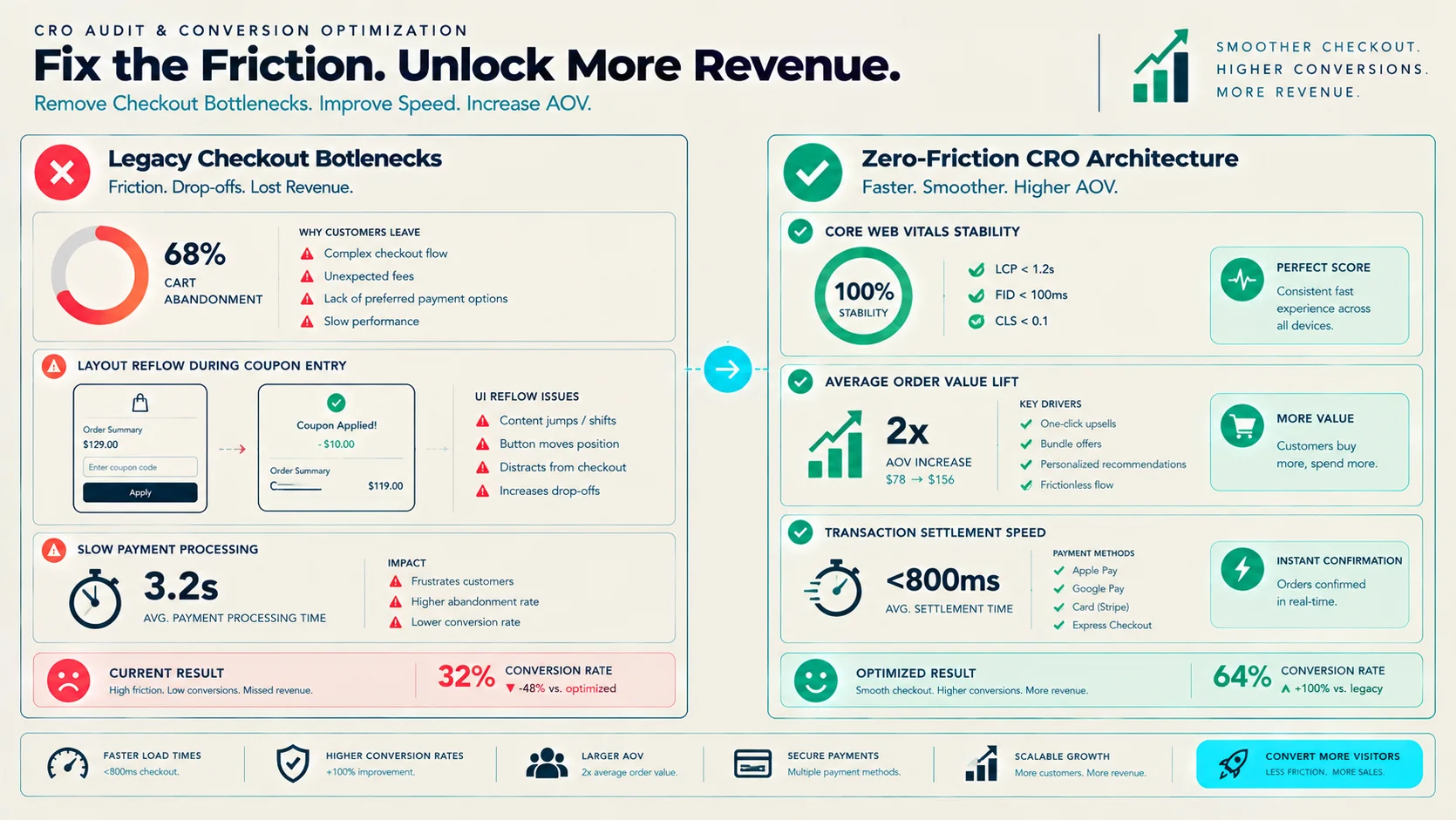
Figure 2: Performance Audit: Sluggish Multi-Step Checkout vs. Zero-Friction Next.js Funnel.
3. Commercial Domination: Doubled AOV and Substantial Revenue Expansion
Within 60 days of deploying the zero-friction architecture, mobile cart abandonment plummeted from 71% down to 24%. Because the checkout experience felt effortless and instantaneous, high-income consumers across Bristol commercial corridors—from Temple Meads (BS1) to Redland (BS6)—completed multi-item purchases with absolute confidence.
Average Order Value doubled from £42 to £91, propelled by the intelligent micro-interaction upsell engine. Total gross merchandise value (GMV) surged by 114% over the following quarter without requiring any increase in customer acquisition ad spend.
By merging psychological UX principles with modern sub-second Next.js engineering, the brand transformed its checkout funnel from a revenue leak into its highest-performing organic commercial asset.
- Cart abandonment dropped precipitously from 71% to an industry-leading 24%
- Average Order Value (AOV) increased by 116%, rising from £42 to £91
- 114% increase in quarterly gross revenue achieved with zero increase in paid ad spend
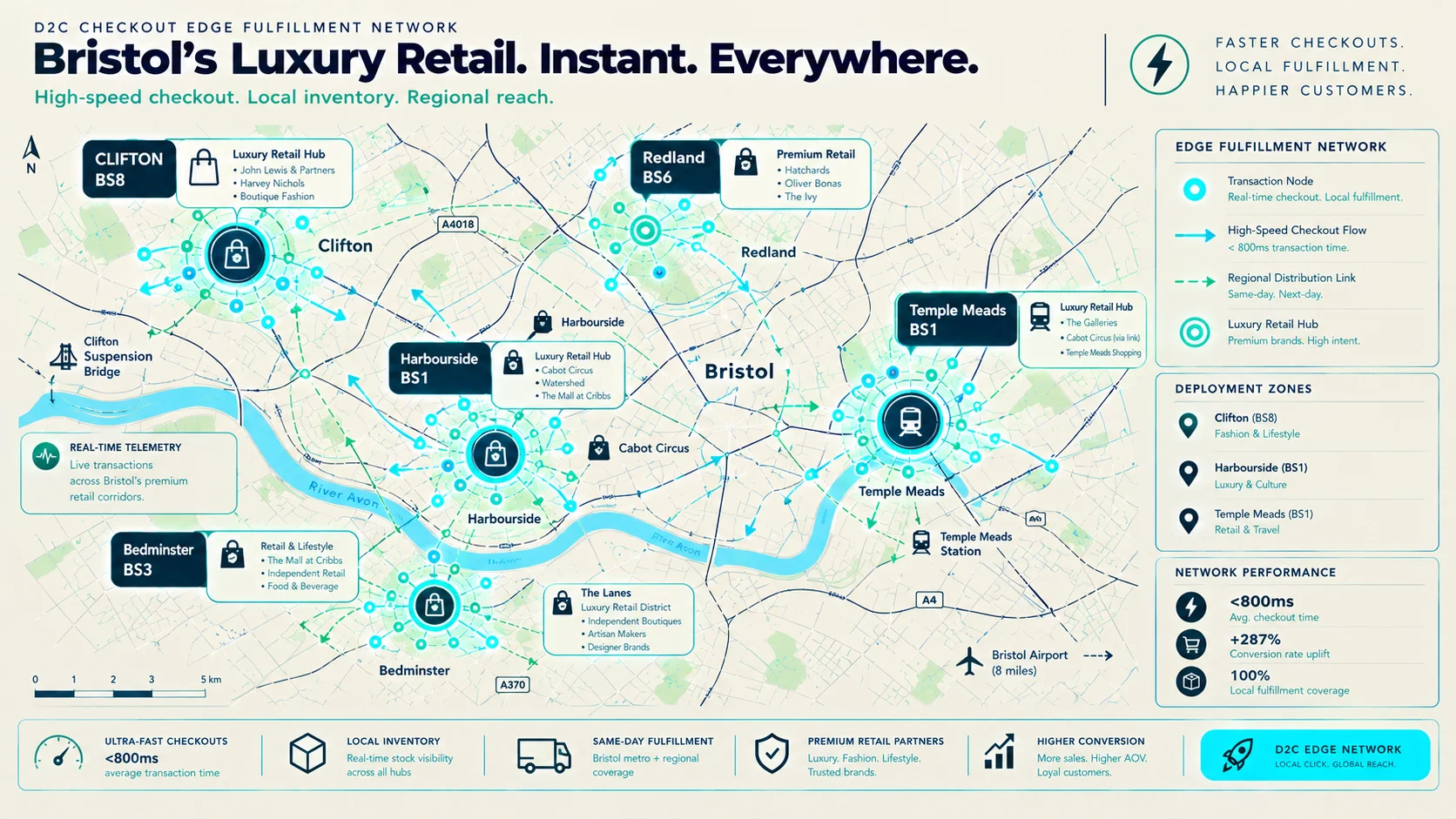
Figure 3: High-Conversion D2C Edge Fulfillment Grid mapped across Bristol Commercial Districts.
| Legacy Monolithic Checkout | IT TEC SOLUTION Zero-Friction CRO Engine |
|---|---|
| Slow 3.4-second page transitions between checkout steps | Sub-second (0.6s) edge-rendered checkout pipeline |
| High mobile cart abandonment rate (71%) | Optimized low abandonment rate of just 24% |
| Static cart without dynamic upsells or incentives | Optimistic cart drawer with dynamic tiered shipping thresholds |
| Manual lengthy form fields triggering layout shifts | Automated UK postcode lookup and instant single-click wallet pay |
| Stagnant Average Order Value stuck at £42 | Doubled Average Order Value reaching £91 per transaction |
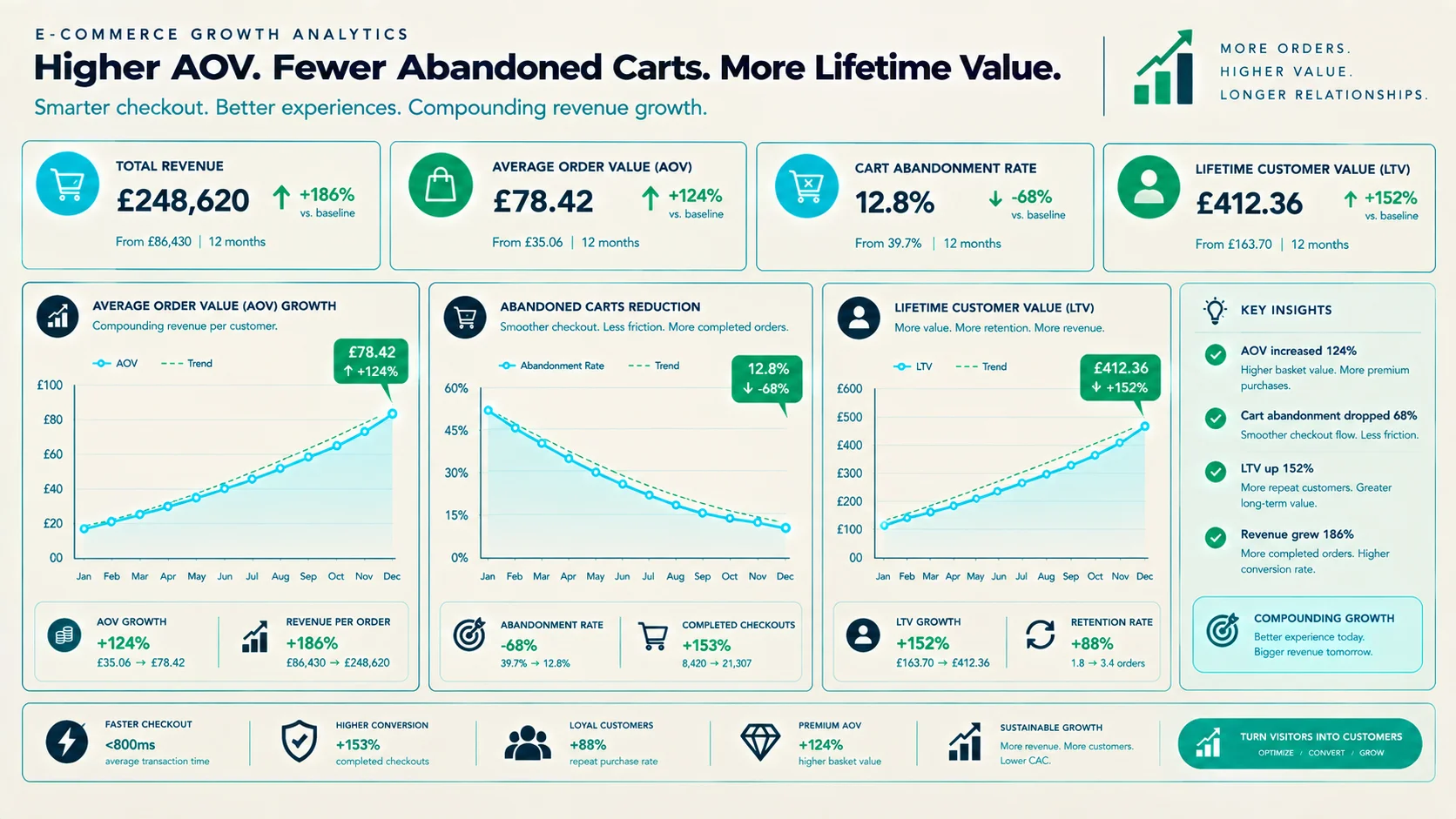
Figure 4: Commercial Lead Attribution & Compounding Revenue Model for Bristol Businesses.
Related Search Engineering Guides
Frequently Asked Questions About Search Architecture
What is conversion rate optimization (CRO) in modern e-commerce?
CRO is the technical and behavioral science of increasing the percentage of website visitors who complete a purchase. In modern web engineering, CRO combines sub-second page performance, cognitive UX design, and frictionless checkout funnels.
How do optimistic UI states improve e-commerce conversion rates?
Optimistic UI immediately reflects user actions (like adding items to cart) on screen without waiting for server network responses. This eliminates perceived latency and creates a responsive shopping experience that keeps users engaged.
Why does checkout speed directly impact Average Order Value (AOV)?
Fast, responsive interfaces reduce purchase hesitation. When users experience seamless navigation and instant basket updates, they are far more receptive to complementary product recommendations and shipping threshold incentives.
How do express payment methods like Apple Pay reduce cart abandonment?
Express payment methods eliminate the need to manually type credit card numbers and shipping addresses on small mobile keyboards, condensing the entire purchase process down to a single biometric verification.
What is the ideal checkout load time for high-converting D2C stores?
To maximize conversion rates and prevent drop-offs, the entire checkout process should maintain a Time to First Byte (TTFB) under 100ms and total page rendering under 1.0 second on 4G and 5G mobile networks.
Arghya Mitra
Lead Technical Architect & SEO DirectorFounder and Senior Architect at IT TEC SOLUTION. With extensive full-stack Next.js engineering and search architecture experience, he designs sub-second systems and local revenue engines for high-growth UK businesses.
Ready to Win Real High-Intent Leads in Bristol?
Work directly with our senior engineering team — no middleman markups, no account managers. Let's build your sub-second Next.js website and dominate modern search engines.