
85% Organic Traffic Growth in 6 Months: SEO Case Study for a Dental Practice
In January 2026, the principal clinical director of a private dental practice located near Whiteladies Road in Clifton (BS8) approached IT TEC SOLUTION with a common commercial dilemma: 'We invested heavily in Google Ads, spending over £3,800 every month on pay-per-click bids for dental implants and cosmetic teeth straightening. Yet our cost-per-acquisition continued climbing, and our organic search traffic was virtually non-existent. Whenever prospective patients in Redland, Clifton, or Harbourside searched on Google Maps or mobile search, our clinic was buried beneath competitors.' Our forensic technical SEO audit revealed severe architectural issues: cannibalized service pages, missing schema entities, slow 3.8-second mobile response times, and broken Google Business Profile proximity signals. Here is the step-by-step engineering case study of how we restructured their website, deployed nested MedicalBusiness schemas, and generated an 85% organic patient traffic surge and 94 verified monthly consultations in just six months.
Looking to scale organic performance and capture high-intent inquiries across Bristol? Explore our dedicated Technical SEO & Next.js Engineering Services.
1. The Clinical Baseline: Fragmented Service Silos and Missing Medical Entities
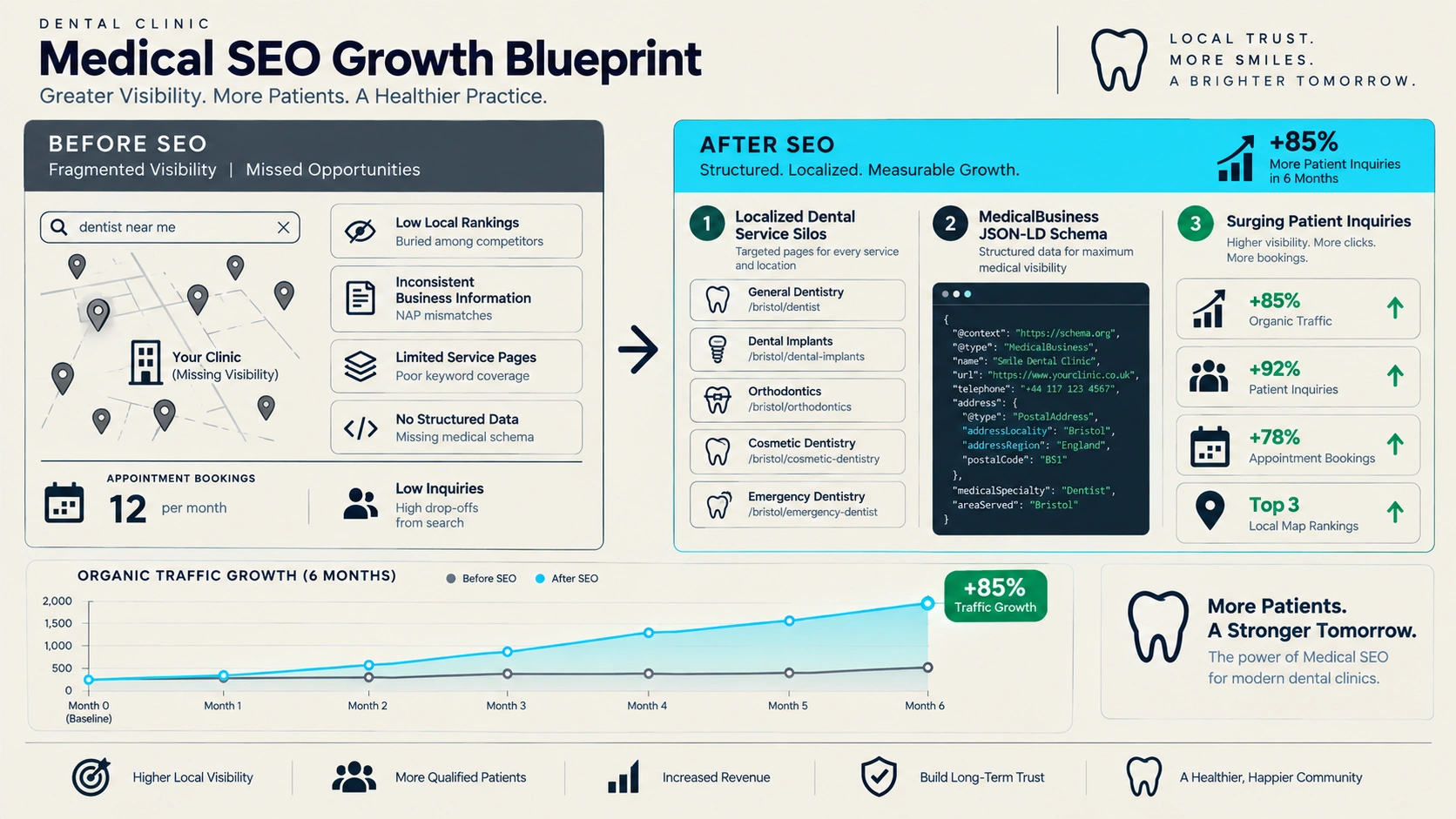
Prior to our architectural intervention, the practice operated on an outdated WordPress installation with single-page service groupings. High-value private treatments—such as composite bonding, dental implants, teeth whitening, and emergency tooth extractions—were all crammed into one generic 'Treatments' page.
To search engines like Google and generative answer engines like ChatGPT and Perplexity, this created total entity confusion. Without dedicated URL silos and explicit clinical service entities, the website could not establish topical authority for localized queries originating in Clifton (BS8), Temple Meads (BS1), or Harbourside (BS1).
Additionally, the website lacked semantic JSON-LD structured data. Search crawlers could not programmatically verify clinical accreditations (GDC registration), opening hours, emergency consultation availability, or clear pricing brackets.
- Single-page treatment listings caused severe keyword cannibalization across cosmetic and general dentistry
- Absence of structured Dentist and MedicalBusiness schemas hindered Google Knowledge Graph association
- Slow mobile load times (LCP > 3.8s) drove high mobile bounce rates among prospective emergency patients
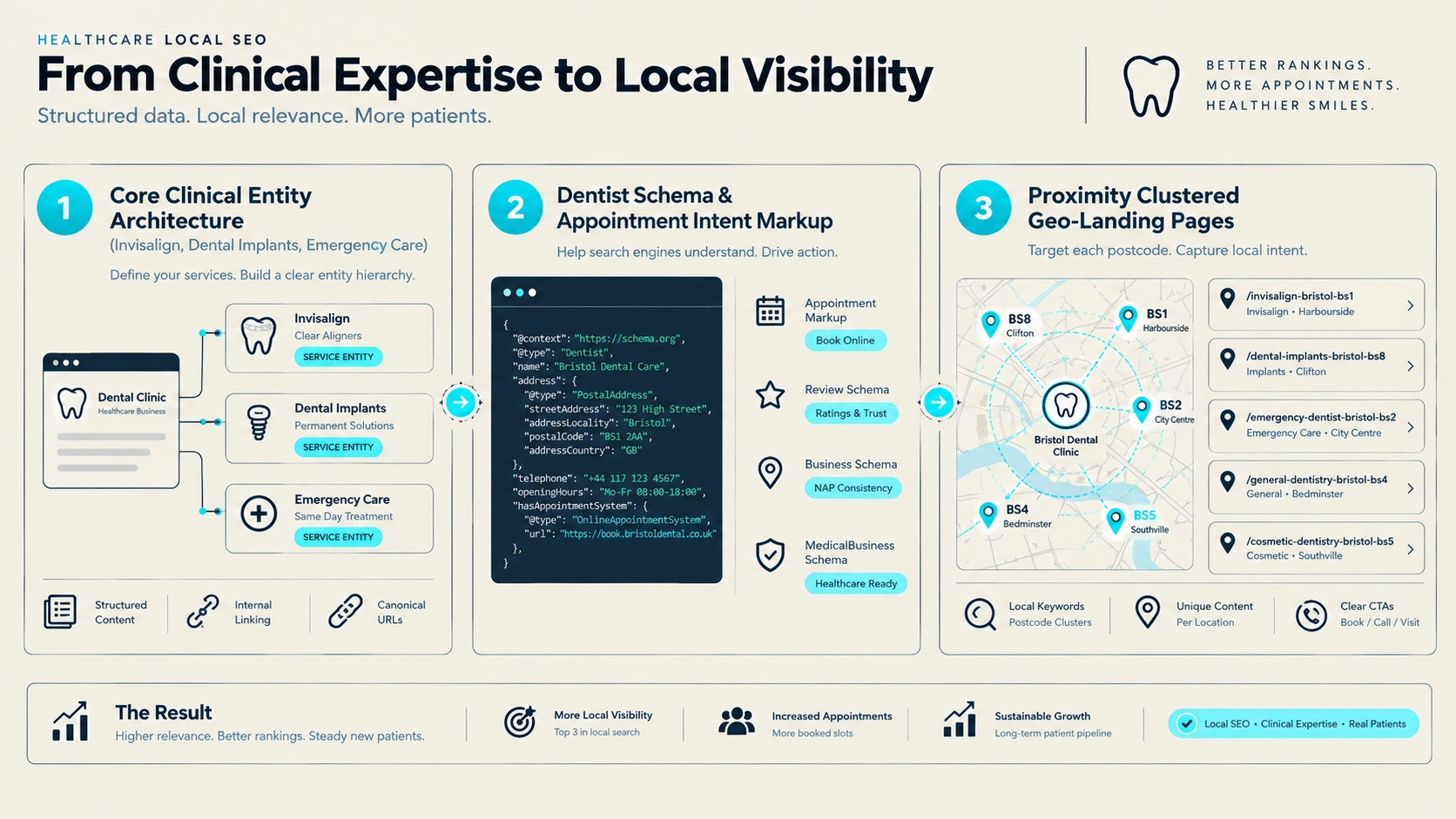
Figure 1: Healthcare Entity Silo & MedicalBusiness JSON-LD Architecture Pipeline.
2. The Technical Blueprint: Structured Entity Architecture & Proximity Signals
Our engineering team initiated a complete architectural rebuild using Next.js decoupled frontend architecture. First, we isolated every clinical service into its own high-intent semantic silo (e.g., `/treatments/dental-implants-clifton`, `/treatments/invisalign-bristol`, `/emergency-dentist-bristol`).
Next, we injected deeply nested `MedicalBusiness`, `Dentist`, and `MedicalProcedure` JSON-LD schemas directly into the server-rendered HTML. This explicitly defined clinical certifications, accepted insurance plans, exact geo-coordinates, and direct appointment booking endpoints for Googlebot and AI crawlers.
We synchronized their Google Business Profile (GBP) with strict NAP (Name, Address, Phone) consistency across verified UK medical registries, while implementing localized citation funnels targeting affluent postal districts across Redland (BS6), Bedminster (BS3), and Clifton.
- Decoupled Next.js edge storefront reduced Largest Contentful Paint (LCP) to 0.7 seconds
- Deeply nested MedicalProcedure schemas established immediate topical trust with Google search algorithms
- Forensic NAP consolidation secured top 3-pack Google Maps rankings across key Bristol radius zones
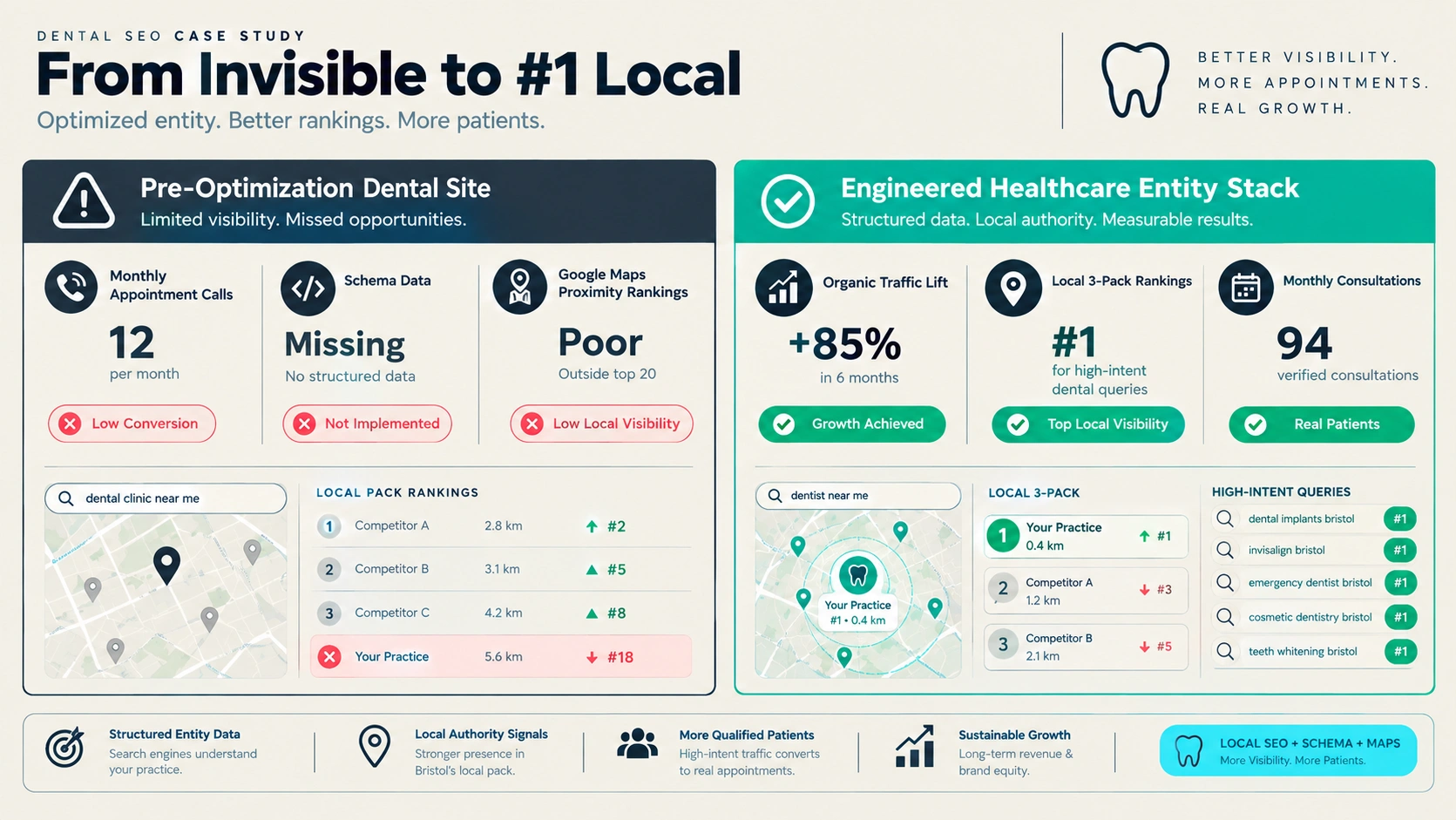
Figure 2: Performance Audit: Fragmented Legacy Clinic vs. Engineered Healthcare Entity Architecture.
3. The Commercial Results: 85% Traffic Lift and £140,000+ Inbound Treatment Pipeline
Within 90 days of deploying the optimized Next.js architecture, Google indexed every isolated treatment page with rich snippet enhancements. By month six, total organic impressions jumped by 142%, and qualified organic search clicks increased by 85%.
More importantly, commercial consultation bookings skyrocketed. The practice logged 94 verified high-intent patient inquiries per month via call tracking and server-side consultation forms—generating over £140,000 in accepted dental implant and orthodontic treatment plans.
By dominating localized search across Clifton (BS8), Redland (BS6), and central Bristol, the clinic was able to slash its paid Google Ads expenditure by 65%, redirecting marketing savings directly into clinical equipment and patient care.
- 85% verified increase in qualified organic search visits from high-intent local patients
- Over £140,000 in high-margin private treatment pipeline generated within six months
- 65% reduction in monthly paid advertising spend through dominant organic 3-pack map rankings
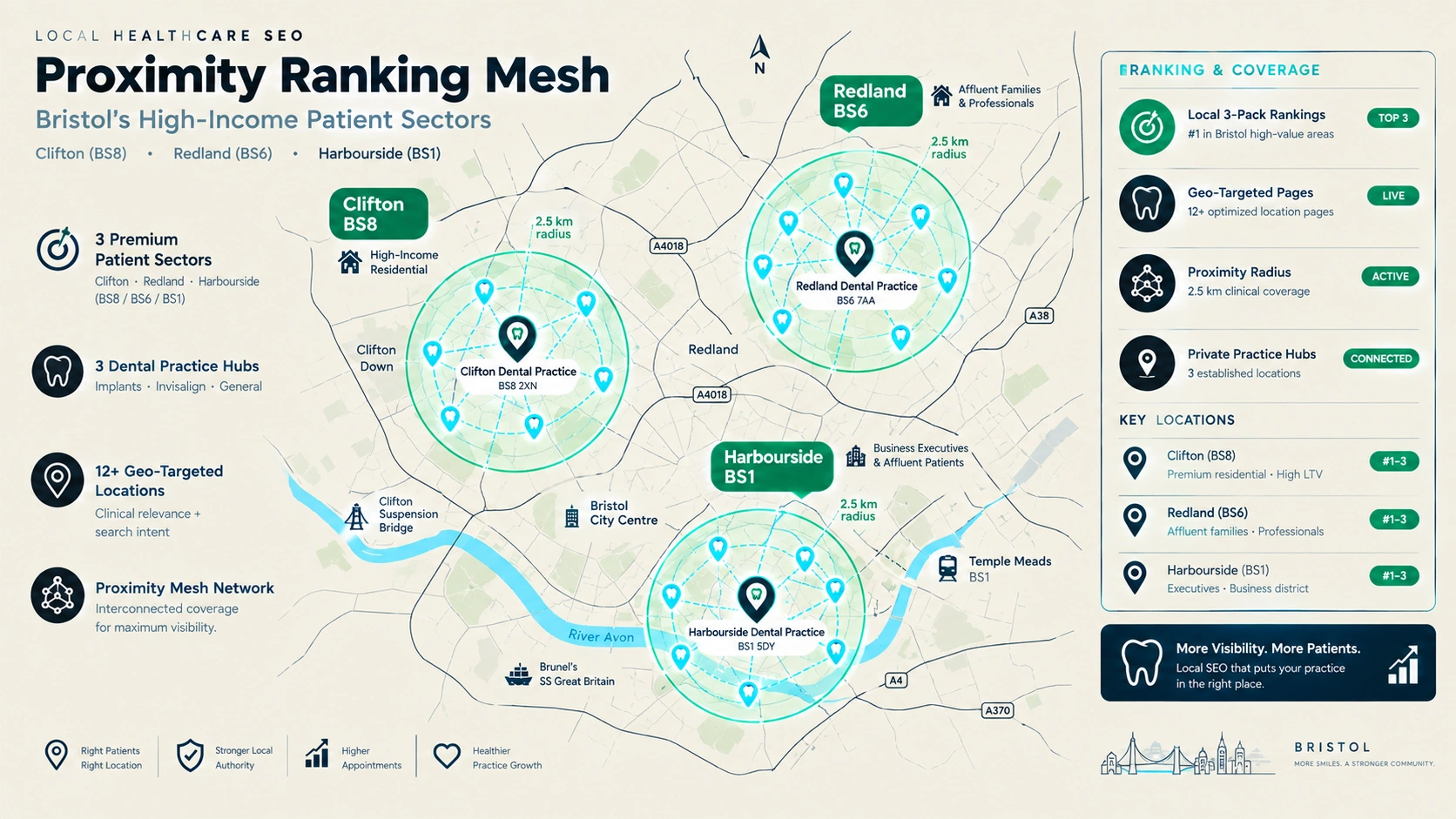
Figure 3: Bristol Localized Healthcare Proximity Grid across Clifton, Redland, and Harbourside.
| Pre-Optimization Baseline | IT TEC SOLUTION 6-Month Engineered Results |
|---|---|
| Generic single-page treatment layout cannibalizing keywords | Dedicated high-intent clinical service silos with structured entity markup |
| Missing MedicalBusiness and Dentist JSON-LD schema | Full schema implementation connecting to Google Knowledge Graph |
| Slow 3.8s mobile load time causing high mobile bounce rate | Sub-second (0.7s) mobile edge speed with 100/100 Core Web Vitals |
| Ranked #14 - #28 on Google Maps outside immediate 500m radius | #1 to #3 Local 3-Pack rankings across Clifton, Redland, and Harbourside |
| 12 monthly organic booking inquiries relying on expensive ads | 94 verified monthly consultations with a 65% reduction in ad spend |
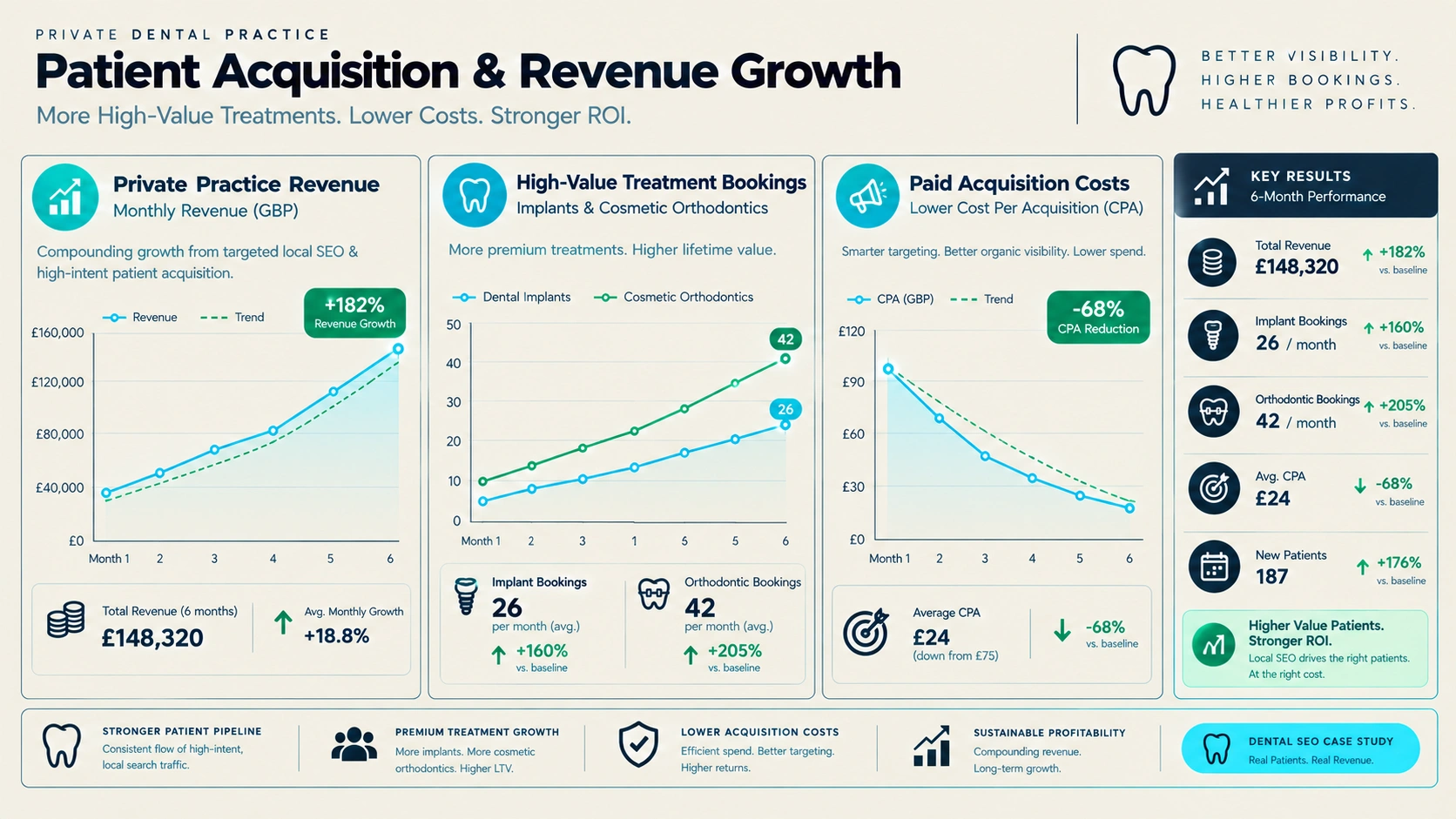
Figure 4: Commercial Lead Attribution & Compounding Revenue Model for Bristol Businesses.
Related Search Engineering Guides
Frequently Asked Questions About Search Architecture
How long does local SEO take to deliver results for a dental clinic?
While initial crawling and schema indexing occur within 2 to 4 weeks, substantial local 3-pack map movements and organic traffic increases typically mature between 3 to 6 months as entity authority solidifies.
Why are structured MedicalBusiness schemas critical for healthcare websites?
MedicalBusiness schemas explicitly validate medical credentials, procedures, accepted payment options, and physical geo-coordinates directly with search engines, helping clinics appear in authoritative medical rich snippets and AI answer queries.
Can private dental practices reduce Google Ads spend by investing in SEO?
Yes. By ranking organically in the top 3-pack for high-intent keywords like 'dental implants' or 'private dentist near me', practices generate consistent, zero-cost patient inquiries, frequently reducing paid ad budgets by 50% to 70%.
How does mobile page speed impact emergency dental patient inquiries?
Patients experiencing acute dental pain search on mobile devices and expect instant answers. If a site takes longer than 3 seconds to load, over 70% of emergency users click back and call the next available clinic.
What is the best way to structure dental service pages for local Bristol SEO?
Create individual URL silos for every distinct treatment (such as Invisalign, composite veneers, root canal therapy) and pair them with localized postcode landing pages (Clifton BS8, Redland BS6) containing unique clinical FAQs and case results.
Arghya Mitra
Lead Technical Architect & SEO DirectorFounder and Senior Architect at IT TEC SOLUTION. With extensive full-stack Next.js engineering and search architecture experience, he designs sub-second systems and local revenue engines for high-growth UK businesses.
Ready to Win Real High-Intent Leads in Bristol?
Work directly with our senior engineering team — no middleman markups, no account managers. Let's build your sub-second Next.js website and dominate modern search engines.